
Most of travel planning happens at a desk, days or weeks before you go. But the trip itself happens somewhere else entirely — on a street, in the rain, running late, changing your mind. A plan that only lives on a planning screen has done half its job. The other half is being useful on the day, when things never go exactly as drawn.
The plan was perfect. Then the day happened.
Every traveller knows the gap. You built a lovely itinerary, and then reality arrived: the morning ran long, a sight was busier than expected, the weather turned, or you simply fell in love with a street and lost an hour. Suddenly the neat plan is out of date, and you're standing on a corner with a phone, trying to re-work the afternoon from scratch.
That moment — not the planning — is where trips are quietly won or lost. The travellers who stay relaxed aren't the ones with the most rigid plan. They're the ones whose plan can bend without breaking.
What a live travel companion actually does
A live travel companion is the plan, brought into the moment. Instead of a static list you scroll and interpret, it tells you what matters right now:
- What's now and what's next. The current stop and the one coming up, so you always know where you're meant to be heading without re-reading the whole day.
- What's nearby. The places around you worth a detour, so a gap in the day becomes an opportunity instead of dead time.
- A heads-up when the weather turns. A nudge when conditions change, so an outdoor afternoon can flex before it's ruined rather than after.
- A day that stays coherent. When one thing shifts, the shape of the day still makes sense, so you're adjusting rather than rebuilding.
The point isn't more notifications. It's less friction — fewer moments of standing still, map open, wondering what to do next.
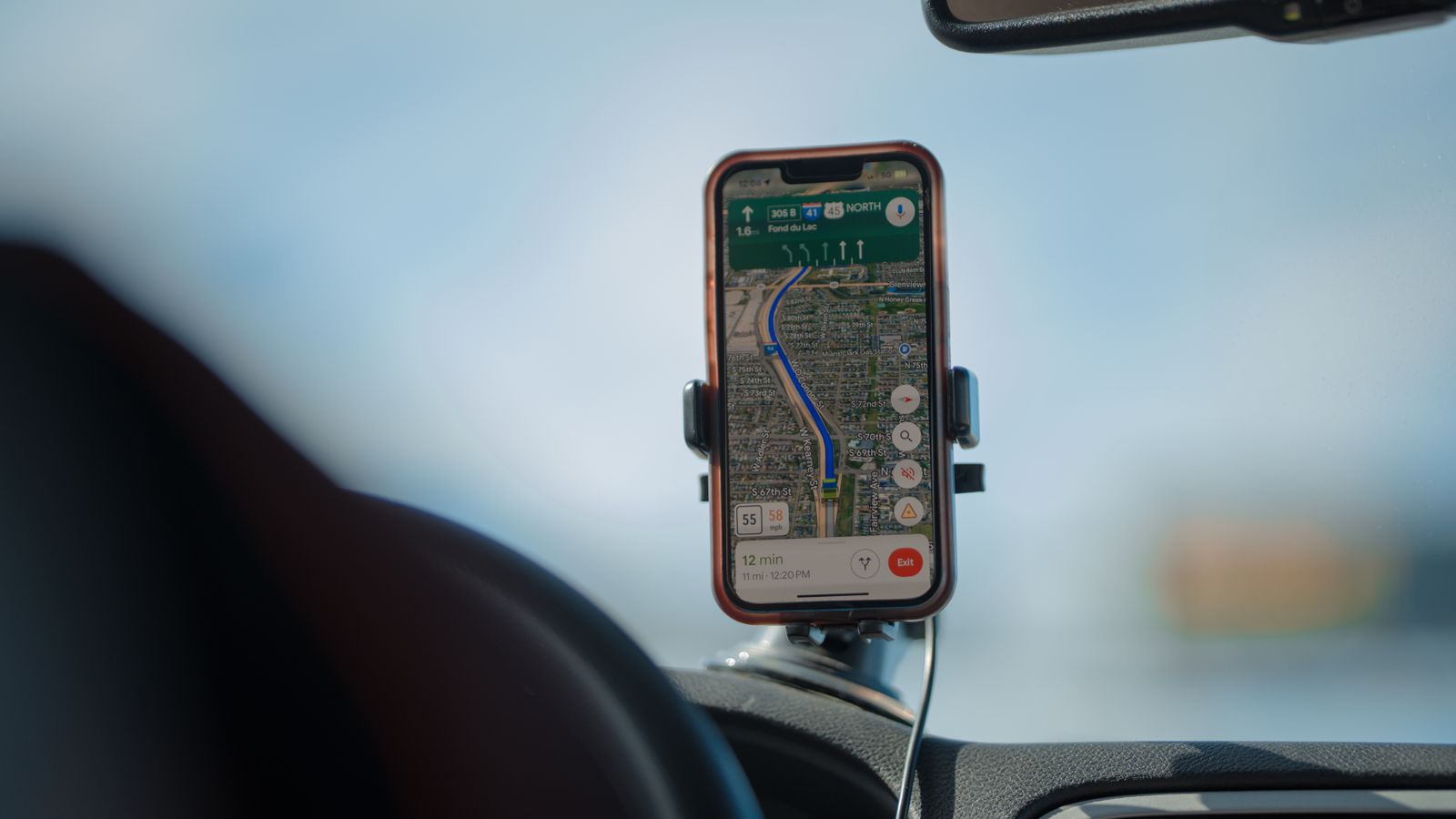
The moments a live companion earns its place
It's easy to picture this in the abstract, so here are the small, real moments where it matters:
- The unexpected gap. A visit runs shorter than planned and you've got a free hour — instead of standing still, you see what's worth a few minutes nearby.
- The slow start. The morning ran long, and rather than scrapping the day, the shape of it just shifts forward.
- The sky turning. Clouds roll in before an outdoor afternoon, and a nudge lets you swap the order of things before you're caught out.
- The "what now?" pause. You finish one thing and, instead of digging through a list, the next stop is simply there, along with where it is.
None of these is dramatic on its own. But a trip is made of dozens of them, and smoothing them is the whole difference between a day that flows and a day spent managing logistics.
Why "on the day" is a different job from planning
Planning and travelling ask for different things. Planning is a desk job: a big screen, time to compare, a blank page to fill. The day itself is the opposite — one hand free, walking, limited time and attention, decisions that need to happen in seconds, not minutes.
A tool built only for the planning half tends to fail the travelling half, because it asks you to do desk-work on a street corner. The on-the-day job is about glanceability and timing: the right thing, at the right moment, with as little tapping as possible. That's a genuinely different design problem, and it's why the best on-trip experience lives where you actually are — in your pocket.
The live companion on TruintTrip
On TruintTrip, that on-the-day experience is the live companion on the iPhone app. It turns your plan into a live view of the day: a Today view with what's now and next, gentle companion nudges as the day moves, and weather-aware heads-up so an outdoor plan can flex in time. It's designed for glancing, not studying — the plan keeping pace with you, rather than you keeping pace with the plan.
The planning itself still lives on both the web and iPhone, so you can build at your desk and carry it in your pocket. The live, on-the-day companion — the real-time "now and next" layer — is the part that lives on the iPhone app, because that's where the day actually happens.
A good plan doesn't survive contact with the day. A good companion bends with it.
Getting the most from it on the day
A few habits make the on-trip experience work for you:
- Lock the plan before you go. Have the trip built and your dates set, so the companion has a real day to keep you on track through.
- Keep a copy you can see offline. Export your itinerary as a PDF too, so you've got a glanceable backup if you're ever without signal.
- Let it flex. When the morning runs long, adjust rather than abandon — the day's shape can shift without the whole plan falling over.
- Use the gaps. When something's nearby and you've got a window, take it — that's often where the best, unplanned memories come from.
Frequently asked questions
Is the live companion on Android or the web too?
The live, on-the-day companion is on the iPhone app today. You can still build and view your plan on the web, and TruintTrip is coming to Android — but the real-time "now and next" companion currently lives on iPhone.
Does it work if I lose signal?
Treat the live companion as a connected experience, and keep a PDF export of your itinerary as a backup. That way you've always got a glanceable version of the day, signal or not.
What happens if I fall behind the plan?
That's exactly what it's built for. Plans change on the road; the companion is there to keep the day coherent when they do, so you're adjusting the afternoon rather than rebuilding it from scratch.
Do I have to plan on my phone to use it?
No — plan wherever suits you. Many people build the trip on the web at a desk, then let the iPhone companion carry it on the day.
Will it nag me with notifications all day?
That's the opposite of the point. A good companion reduces friction, not adds to it — the aim is fewer moments of standing still with a map open, not a stream of pings. It surfaces what's useful when it's useful, and otherwise stays out of your way.
Is this just my itinerary on a smaller screen?
No. A planning view is something you read and interpret; a live companion is built for the moment — what's now, what's next, what's nearby — so you glance rather than study. Same trip, a genuinely different job on the day.
Is it free?
You can explore TruintTrip and build your first complete trip for free. Unlimited building sits on a paid plan, with a low-commitment option for a single trip.
Ready to try it? A plan is only half the job — the day itself is where trips happen. How a live travel companion keeps your day on track with what's now and next.
Get TruintTrip on iPhone →

