
Tokyo is the kind of place that can make a confident traveller freeze. It's enormous, it's dense, and every list you read has forty things on it. The secret isn't seeing more — it's choosing well. Here's how to turn the world's biggest city into a trip that actually fits you.
Why Tokyo overwhelms first-timers
The number that breaks most plans: Greater Tokyo is home to tens of millions of people across dozens of distinct districts, each of which could be its own weekend. Try to "do Tokyo" and you'll spend the trip on trains, ticking boxes, exhausted. The travellers who love their first visit do the opposite — they decide what kind of Tokyo they're there for, and let everything else fall away.
Pick your Tokyo first
Before you book a hotel, pick a lens. A few of the city's personalities:
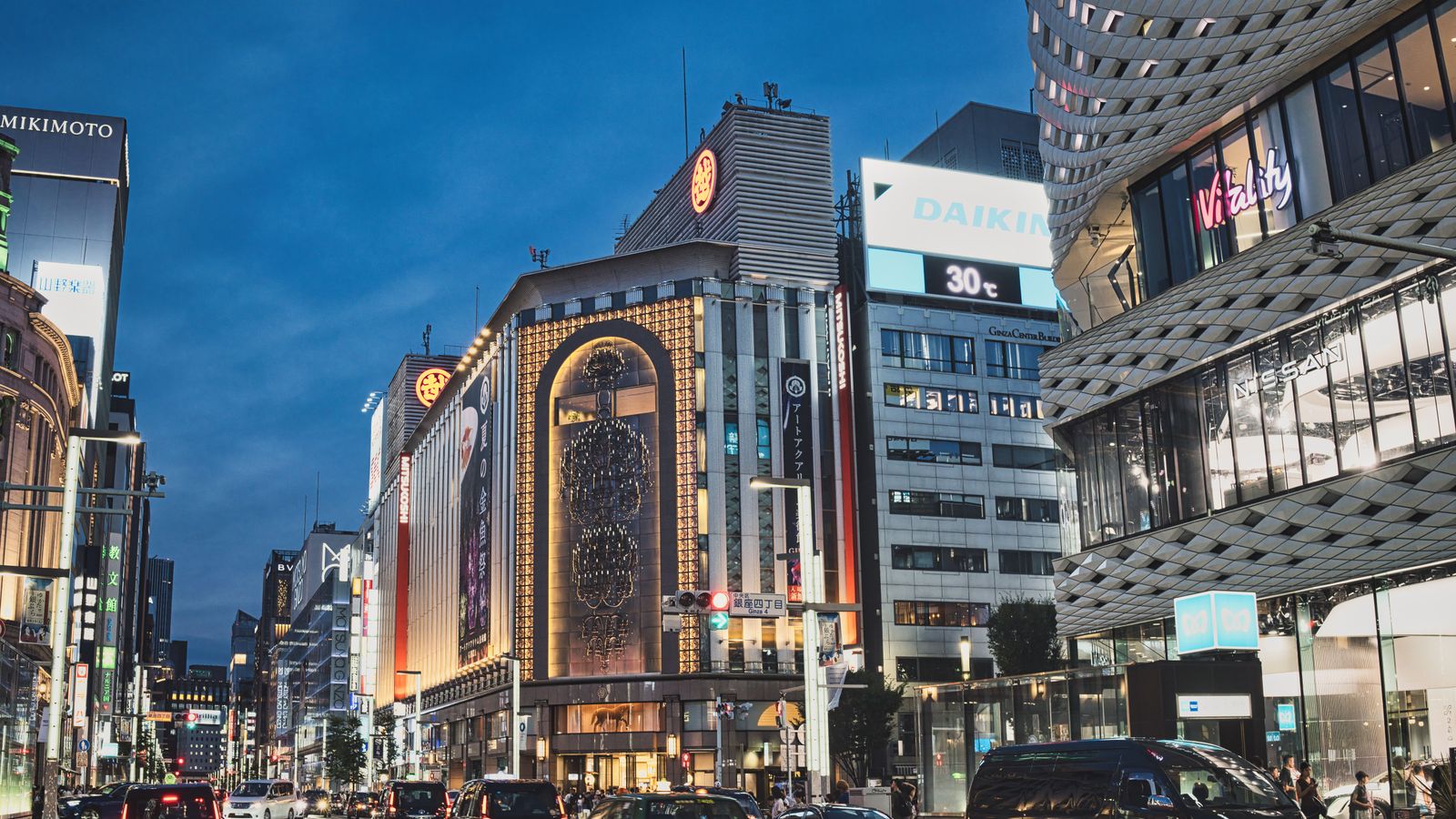
- Neon and energy — Shibuya and Shinjuku: the famous crossing, the towers, the all-night pulse. Stay here if you want the Tokyo of the films.
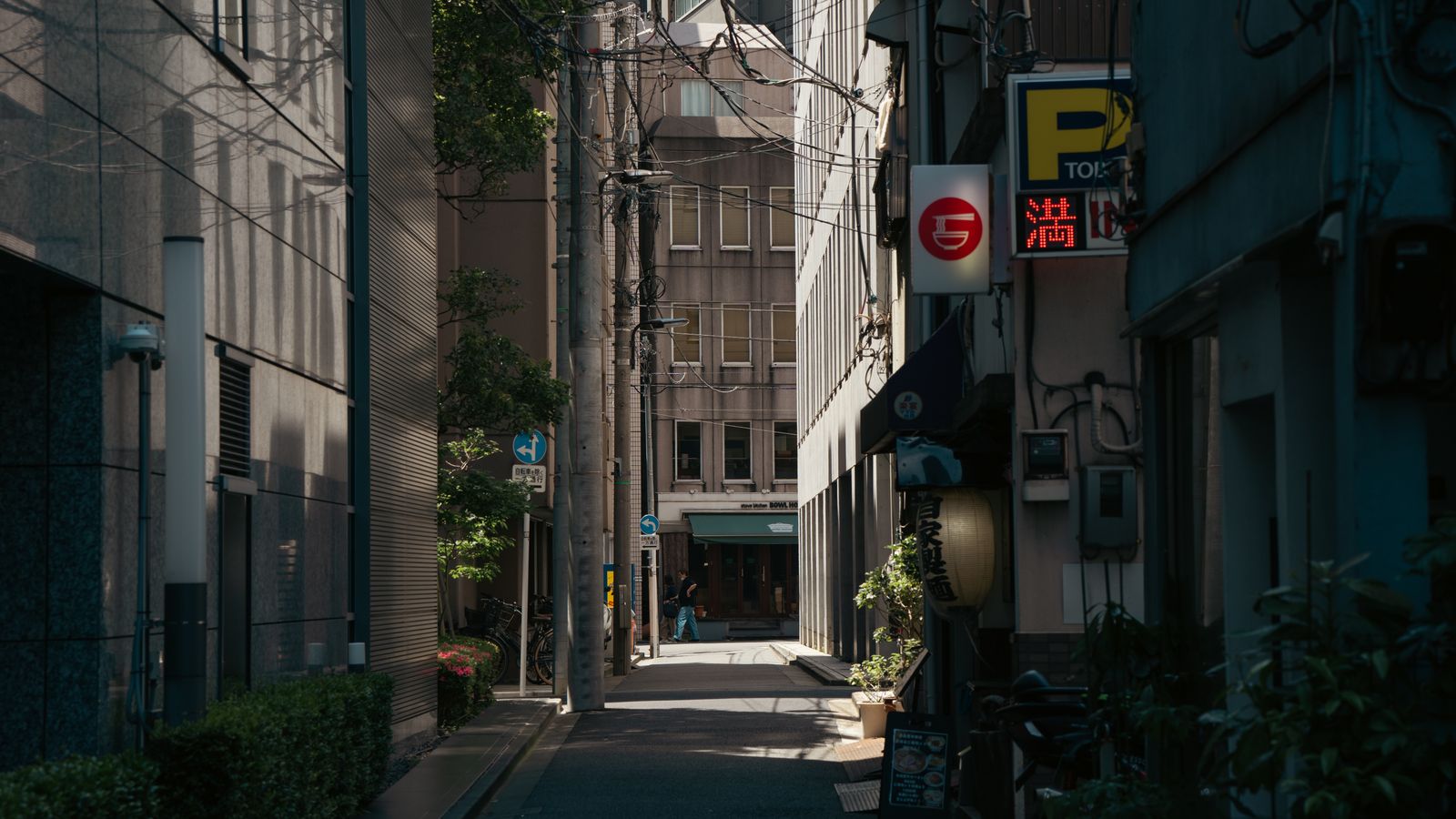
- Old Tokyo — Asakusa and Yanaka: temples, low wooden streets, craft shops, a slower pace.
- Design and youth — Harajuku, Daikanyama, Shimokitagawa: vintage, coffee, independent everything.
- Food above all — you can build the whole trip around eating, from a market breakfast to a counter dinner you remember for years.
You don't have to choose just one — but leading with a vibe turns an impossible city into a trip with a spine.
See more, and you'll remember less. Choose well, and Tokyo opens up.
The experiences worth building a trip around
A strong first trip usually hangs on five or six anchors, not forty. The ones most travellers are glad they kept:
- Shibuya Crossing and the view above it — the scramble from street level, then from a tower or café window.
- Senso-ji in Asakusa — the city's oldest temple, best early before the crowds, with the old streets around it.
- A digital-art experience — the immersive, room-scale installations Tokyo does better than anywhere.
- A day trip to Hakone or the Fuji Five Lakes — mountains, hot springs and, on a clear day, Mount Fuji.
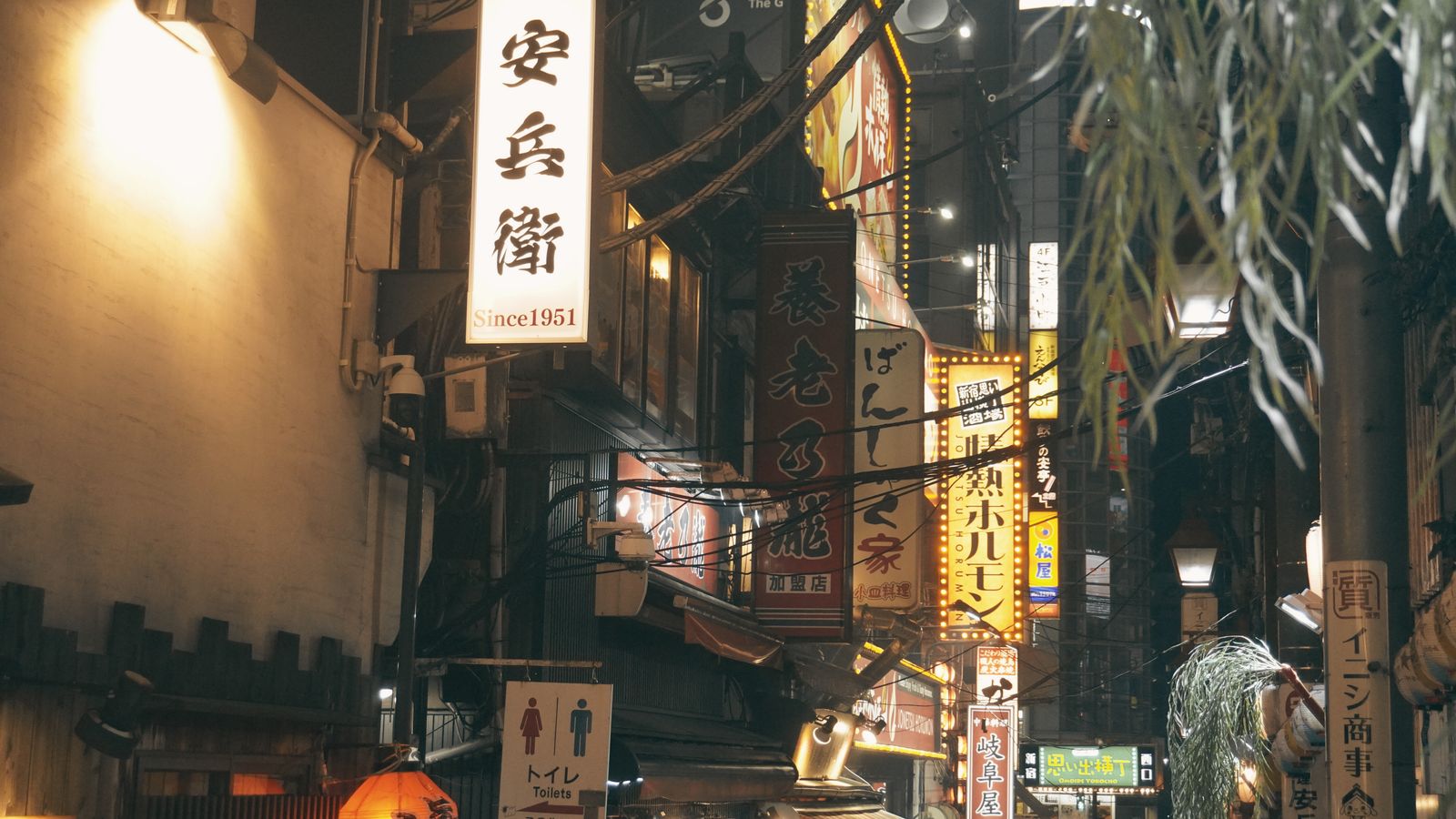
- One proper izakaya or counter dinner — the single evening that tends to become the story people tell back home.
When to go
Timing changes the trip more in Tokyo than in most cities:
- Spring (late March–April) — cherry blossom. Spectacular, and busy; book well ahead.
- Autumn (November) — clear skies and autumn colour; many travellers' favourite window.
- Summer (late June–August) — hot and humid, with a rainy stretch early on. Doable, but pack for it.
- Winter — crisp, clear and quieter, with the best odds of a sharp Mount Fuji view.
Whatever month you choose, the weather and what's on will shape your days — so it's worth checking both against your exact dates before you lock anything in.
A sample first-timer route
Five days is enough to feel Tokyo without racing it. This is a loose shape, not a schedule — it groups the anchors by area so you're not crossing the city twice in a day, and it leaves room to drift.
- Day 1 — Shibuya and Shinjuku. Ease in where the energy is. Spend the afternoon around the crossing and the lanes behind it, then let the evening run long in Shinjuku — the towers, the small-bar alleys, the first proper dinner. It's the Tokyo most people picture, and a good place to let the jet lag settle.
- Day 2 — Asakusa and old Tokyo. Go early to Senso-ji, before the temple approach fills up, and walk the low streets around it. Keep the afternoon slow — craft shops, a quiet neighbourhood, the river. It's the deliberate counterweight to Day 1.
- Day 3 — Harajuku, Omotesando and a digital-art afternoon. Vintage and youth culture in the morning, the tree-lined design streets after, then a room-scale digital-art experience when the light fades. Book the art ahead; these sell out.
- Day 4 — day trip to Hakone or the Fuji Five Lakes. Trade the city for mountains, hot springs and, on a clear day, Mount Fuji. It's a full day out, so travel early and keep the evening back in town gentle.
- Day 5 — Ginza, a market morning, or whatever you under-did. Save the last day loose on purpose. Use it for the thing you ran out of time for, a slower food morning, or a bit of Ginza polish before you fly out.
Shift the order to match your base and the weather — if one day looks clear, move Hakone to catch Fuji.
Getting around
Tokyo's rail and metro network is one of the best in the world, and it will do almost all of your moving. Lines are frequent, clean and punctual, with signs and announcements in English on the routes visitors use most. The map looks intimidating; in practice you follow colours and line names, and a maps app handles the rest.
- Get an IC card. The rechargeable tap-to-ride cards work across trains, metro and buses, and in a lot of shops and vending machines too. They save you buying single tickets and are the single biggest quality-of-life move for a first trip. Check current options and where to pick one up, as the specifics change.
- Walk more than you'd expect. Districts are dense and rewarding on foot, and the best moments are usually between stations, not at them. Comfortable shoes matter more here than a long sightseeing list.
- Taxis for the edges of the day. They're clean, safe and easy to hail or book, and worth it late at night or with luggage. They cost more than the train, so treat them as the exception, not the default.
- From the airport, allow real time. Both main airports sit well outside the centre, and the trip in takes a while by train or coach whichever you choose. Factor it into your first and last day rather than assuming a quick hop.
Common first-timer mistakes
Most Tokyo regrets aren't about the wrong sight — they're about pace, logistics and assuming the city works like the one back home. The avoidable ones:
- Trying to see too much — the single most common mistake. A packed list turns the trip into a commute. Fewer anchors, done properly, beat a long tally every time.
- Underestimating transit time — the city is vast, and "just across town" can be forty minutes of trains and walking. Group each day by area and your feet will thank you.
- Going cashless everywhere — cards are widely accepted, but plenty of smaller places, shrines and older spots still prefer cash. Carry some; don't assume a tap will always work.
- Not reserving popular experiences ahead — the digital-art venues and the dinners people remember tend to book out. Lock the handful you care about before you arrive.
- Scheduling the first morning too hard — the time difference is real, and day one often starts foggy. Keep the first day flexible and let the body catch up.
- Standing on the wrong side — small etiquette, big signal. Watch how locals queue, stand on escalators and keep phone calls off trains, and follow suit.
Frequently asked questions
How many days do I need for a first trip to Tokyo?
Four to five full days is the sweet spot for a first visit. That's enough for a handful of core neighbourhoods, a day trip, and some unhurried time to wander — without living on the trains. If you have longer, add days rather than cramming more into each one.
When's the best time to go?
Spring (cherry blossom) and autumn are the standout windows, with winter the quiet, clear-skied alternative. See the "When to go" section above for the trade-offs by season, and check the weather against your exact dates.
Is Tokyo expensive? What should I budget?
It's more affordable than many first-timers fear, and it flexes hard to your style. You can eat memorably at the budget end and sleep simply, or go higher-end on either — the city rewards both. Costs move with season and exchange rates, so set your own budget band and check live prices before you book rather than trusting a figure from an old guide.
Is Tokyo easy to get around? Is it walkable?
Yes on both counts. The rail and metro network reaches almost everywhere, and individual districts are a pleasure on foot. Pair an IC card with a maps app and you'll rarely feel stuck — see "Getting around" above for the detail.
Any etiquette I should know before I go?
A few quiet habits go a long way: keep your voice down on trains and take calls off them, don't eat while walking in busy areas, and follow the local lead on queueing and escalators. Tipping isn't expected. When in doubt, watch what people around you do and match it.
How to build your Tokyo trip in minutes
This is exactly the kind of trip TruintTrip is built for. Start from the destination — Tokyo — or from a themed Travel World ("Tokyo after dark", "Tokyo for food"), and it assembles a day-by-day plan around real places: sequenced so you're not criss-crossing the city, timed against the weather and what's on during your dates, with areas to stay, live hotel prices, and the experiences you can book.
Because it reads your Travel DNA, the food-first traveller and the design-and-vintage traveller get genuinely different Tokyos from the same starting point — which is the whole idea. Adjust the pace, stretch a day for Hakone, raise or lower the budget, and the plan rebalances around you.
A note on this guide
This is a researched guide, written to help you plan — not a substitute for checking the details. Opening times, access, closures and ticketing for specific sights change often, so confirm them from official sources before you go. And for entry requirements, visas and safety, always defer to your government's official travel advice; TruintTrip's country intelligence is a planning aid, not a replacement for it.
Ready to try it? A first-time travel guide to Tokyo: how to cut the world's biggest city down to a trip that fits you — neighbourhoods, must-dos, when to go, and how to plan fast.
Explore TruintTrip →

