
Everyone has a list of places they mean to go. Almost nobody has a plan to get there. That gap — between the spark and the trip — is the real problem, and it has nothing to do with a shortage of ideas.
Inspiration is everywhere. A reel you saved at midnight. A screenshot of a hotel pool. A friend who won't stop talking about a town you'd never heard of. A city you fell for in a film. A destination that's been quietly stuck in your head for years. None of that is the hard part. The hard part is turning any of it into dates, routes, places and a cost you can actually book.
Inspiration is easy. Assembly is the gap.
Collecting travel ideas is effortless now. The feeds hand you one every few seconds, and you save them faster than you'll ever act on them. The bottleneck was never finding somewhere worth going. It's everything that has to happen after.
To turn one idea into a trip, you'd normally have to pin down the exact place, find the spots nearby worth your time, work out the right season, sequence the days so you're not criss-crossing a region, estimate what it costs, and find somewhere to stay. That's a dozen browser tabs and most of an afternoon — for a single idea. Multiply it by a saved folder and it's no surprise the folder just sits there.
So the ideas pile up and the trips don't. Not because you lost interest, but because the work between interest and departure is tedious, and it's the same work every time.
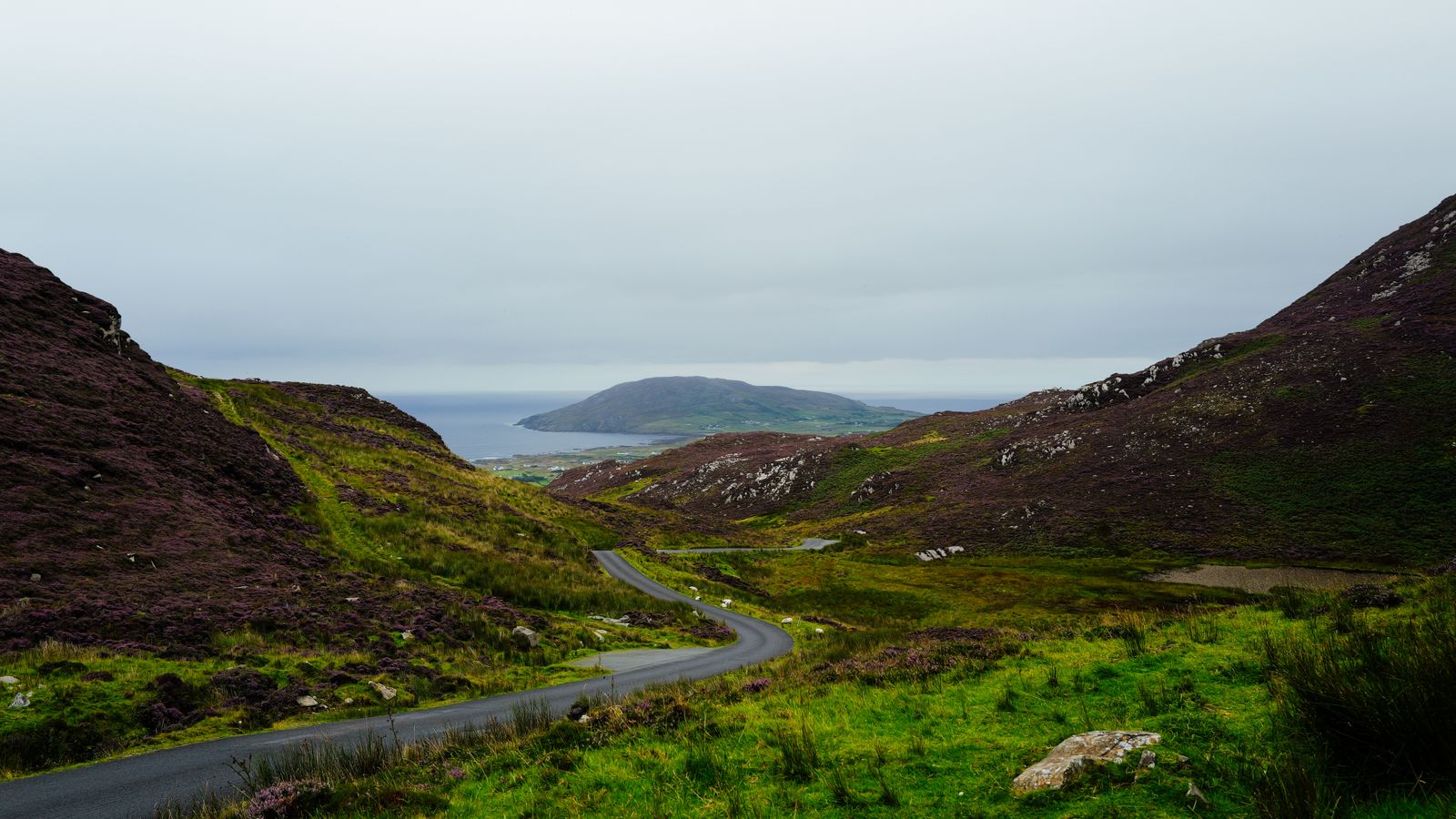
Inspiration comes in a dozen forms. The move is the same.
A travel idea arrives in many shapes, and people assume each one needs a different approach. It doesn't.
- A saved reel or short video — a clip of somewhere that made you stop scrolling.
- A screenshot — a hotel, a viewpoint, a dish you photographed off someone else's post.
- A friend's tip — "you have to go, trust me," and the name of a town you'll half-remember next month.
- A place from a film or show — the coastline, the backstreet, the café you wanted to walk into.
- A Pinterest board or someday-list — years of collected wanting, with no first step attached.
- A destination lodged in your head — no clip, no screenshot, just a name you keep coming back to.
Different sparks, identical gap. Each is a feeling about a place with none of the logistics attached. And each resolves the same way: you convert the spark into a real, day-by-day plan — routed, timed, costed and bookable — then adjust it until it's yours. The source changes. The crossing doesn't.
Why the spark leaves the hard part out
There's a reason inspiration and planning feel so far apart. Inspiration is edited for feeling. The reel shows the sunset, not the two-hour drive to reach it. The screenshot shows the empty infinity pool, not the price or the week it's fully booked. The film shows the quiet backstreet, not the forty-minute walk from anywhere you'd sleep.
That's not a flaw in the inspiration — it's the point of it. But it means the gap between the idea and the trip is made of exactly the practical things the idea left out. Which is why "just book it" rarely works, and why the saved folder is where good intentions go to wait.
The problem was never a lack of inspiration. It's the assembly.
Cross the gap: let the spark become the plan
The fastest way across is to stop doing the assembly by hand. Instead of researching one question at a time, you hand the spark to something that reads the place behind it and builds the trip in one pass — verified places, sensible routing, timing for your dates, where to stay and what it costs.
On TruintTrip, that's the core idea whatever your starting point. A destination, a themed idea, a saved set of places — each becomes a complete, day-by-day, bookable trip rather than a to-do list. The things you'd have googled separately arrive already connected, because a trip isn't a stack of answers; it's a set of decisions that depend on each other. Where you stay depends on what you'll do, which depends on when you're going. Assembled together, those stop being research and start being a plan.
It also leans toward you. Your Travel DNA nudges each recommendation toward how you actually travel — your pace, early starts or slow mornings — so you get the few things that fit rather than a generic top ten you'd have to trim anyway.
Start from wherever your inspiration already lives
You shouldn't have to translate your idea into the "right" format before anything useful happens. The point is to begin from whatever you already have. On TruintTrip, the ways in cover the whole spectrum:
- A destination you've got in mind — the name stuck in your head is enough.
- A travel reel from Instagram or TikTok — paste the link and the places in the clip become the seed. (That one has its own deep dive: turning travel reels into a real itinerary.)
- A themed Travel World — a curated idea like "a long weekend of food" or "islands and quiet," for when you know the mood before the map.
- A ready-made Blueprint — a structured trip you can adopt and adjust instead of building from nothing.
- A saved Collection — the places you've been quietly bookmarking, pulled into one routed plan.
- A timely Travel Signal — a nudge about somewhere worth going right now, for the days you have the itch but not the destination.
Whichever door you come through, the output is the same shape: a real, routed, bookable trip. A destination name, or the places you've collected, is all the platform needs to start. You can see the range of starting points on explore before you commit to anything.
From spark to plan, step by step
In practice, crossing the gap takes a few minutes:
- Start from your spark. A destination, a reel link, a theme, a Blueprint or a saved Collection — pick whichever matches the idea you already have.
- Add your dates and style. Travel dates sharpen the timing; a sense of your pace and budget sharpens the fit. Both are optional, but both help.
- Get the draft. A complete, day-by-day trip assembles around the spark — real places, a route that holds together, timing checked against your dates, and places to stay with live prices.
- Make it yours. Adjust the length, pace and budget, swap anything that isn't you, and let the plan rebalance around the change.
- Book when it fits. When the plan feels right, the booking links are in it, so deciding and booking aren't two separate chores.
The first draft is a starting point, not a cage. It exists so you edit from something real instead of a blank page — and the editing is where your judgement goes.
Keep your hand on it
A fast draft does the slow 80% — the research, the sequencing, the costing. It doesn't replace the two things only you bring: knowing what you'll actually enjoy, and a sanity check before you book. The plan can route a day perfectly and still include a museum you'd find dull. That's your call, and making it is the fun part.
It's also honest about its edges. Real places, live prices and real events on your dates are drawn from actual data. But for the things no software should be the final word on — visas, entry rules, safety — treat the guidance as a starting point and confirm with official sources before you commit. Used that way, the time you save goes into better decisions, not cut corners. TruintTrip runs on iPhone and the web, and you can explore it and build your first complete trip for free.
Frequently asked questions
Does this only work for reels?
No. A reel is one way in, and it has its own guide. But a destination in mind, a themed Travel World, a ready-made Blueprint, a saved Collection or a timely Travel Signal all work the same way. The common thread is turning a spark into a routed, bookable plan — the source barely matters.
What if my inspiration is just a screenshot or a place name?
That's plenty. If you have a screenshot, the destination or place in it is the seed — start from that destination and build out. A name stuck in your head is already enough; you don't need a link or a saved clip. The point is to start from whatever you actually have.
Will it just give me a generic top-ten list?
It shouldn't. The output is a day-by-day plan with a route, timing for your dates and places to stay — not a ranked list to sort yourself. And personalisation through Travel DNA pulls it toward how you travel, so the plan leans to your taste rather than the same ten things everyone gets.
How much control do I have over the result?
Full control. The draft is built to be edited — change the length, pace or budget, swap any stop, and the plan rebalances around you. It's a strong first draft you refine, not a fixed answer you accept.
Is it free to try?
On TruintTrip you can explore the platform and build your first complete trip for free. Unlimited building sits on a paid plan, with a low-commitment option to unlock a single trip.
Ready to try it? Saved reels, screenshots and someday-lists never become trips on their own. Here's how to turn any travel inspiration into a bookable, day-by-day plan.
Turn your inspiration into a trip →

