
It's the least glamorous part of a trip and the one most likely to end it before it starts. A plan can be perfect and still fall apart at the check-in desk over a passport that expires too soon or a visa nobody checked. This is a guide to what to verify before any trip — and, more importantly, to the one rule that should govern how you verify it.
The one rule that overrides everything
Check every requirement against official government sources — and nothing else. That means two in particular: your own government's official travel advisory for the destination, and the destination country's official immigration or foreign-ministry site.
Not a blog. Not a forum thread. Not a friend who went last year. And not an AI — including this article, and including TruintTrip. These are all fine for planning and for knowing what to look into, but none of them is authoritative for entry rules or safety, because they can be out of date, wrong for your nationality, or simply not liable for the consequences. The official sources are the only ones that are.
Treat everything below as a list of things to go and confirm officially — not as the rules themselves.
What to check before any trip
A short, boring checklist that saves trips:
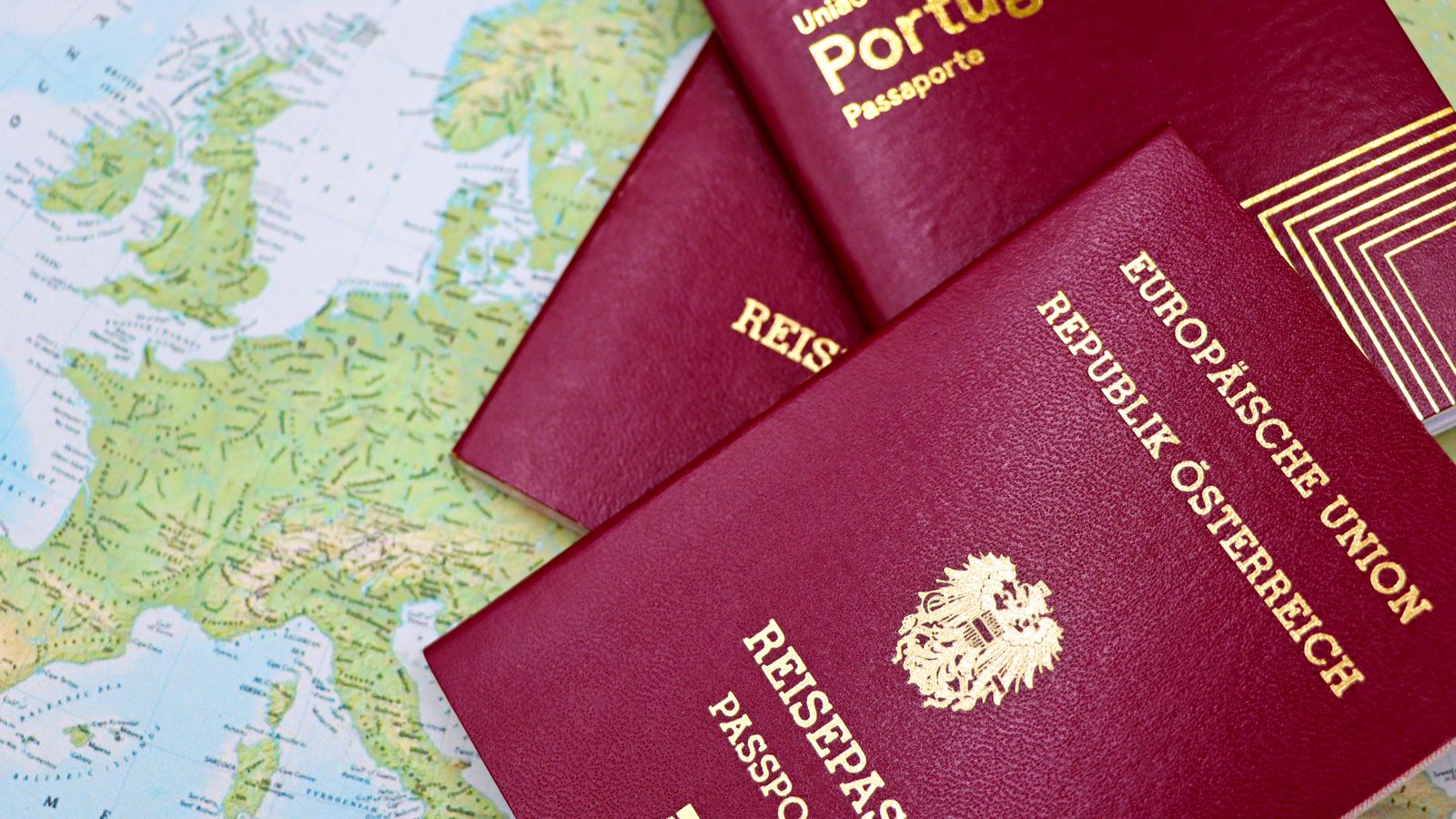
- Passport validity. Many countries require your passport to be valid well beyond your travel dates, and some require blank pages. Check the exact rule for your destination and nationality.
- Visa and entry requirements. Whether you need a visa, a visa on arrival, or an electronic travel authorisation varies by nationality, purpose and length of stay — and changes often. Confirm what applies to your passport.
- Onward and return travel. Some destinations require proof of onward or return travel, or proof of funds. Know before you fly.
- Health requirements. Required or recommended vaccinations and any health-entry rules depend on the destination and sometimes where you've travelled recently. Check official health guidance.
- Travel insurance. Strongly recommended everywhere, and required for entry in some places. Make sure it actually covers what you're doing.
- Entry forms and declarations. Many countries now use online arrival forms, customs declarations or apps that must be completed before or on arrival.
- Money and access. Check how payments work locally and that your cards and access will function where you're going.
- Local laws and customs. Things that are routine at home can be restricted elsewhere. A little reading avoids a lot of trouble.
- Safety advisories. Read your government's current advisory for the destination, including any region-specific warnings.
Why requirements are so easy to get wrong
Entry rules aren't just complicated — they're a moving target. They change, sometimes at short notice. They vary by nationality, so what your friend did doesn't tell you what you need. They depend on the purpose and length of your trip, and sometimes on where you've recently been. And last-minute changes — a new form, an updated advisory — can land between when you book and when you fly. That combination is exactly why old blog posts and second-hand advice are so risky, and why the official source, checked close to departure, is the only one that counts.
How far ahead to sort it
A rough order helps:
- Passport first. Renewals take time — check validity the moment you start planning.
- Visas and entry early. As soon as the trip is real, confirm what you need and start any application, since some take weeks.
- Insurance at booking. Sort it when you book the big pieces, so you're covered from the start.
- Forms and final checks before you fly. Complete any arrival forms, and re-read the official advisory close to departure in case anything changed.
A perfect itinerary doesn't matter if you can't get past the gate. Check the boring things first.
Reading a safety advisory without overreacting
Official safety advisories are essential reading — but they're easy to misread in both directions. A few things to keep in mind as you go through your government's advisory for a destination:
- It's a spectrum, not a yes/no. Most advisories use levels, and the vast majority of popular destinations sit at the "take normal precautions" or "exercise caution" end. A level isn't a verdict on whether to go — it's a cue for how carefully to plan.
- It's often region-specific. A warning about one border area or province doesn't condemn the whole country. Read which parts it actually refers to.
- Read the why. The reasoning — petty crime, weather season, a specific local situation — tells you far more than the headline level, and usually points to concrete, manageable precautions.
- Register if your government offers it. Many run a free traveller-registration service so they can reach you in an emergency. It takes minutes.
- Keep copies of the essentials. Digital and paper copies of your passport, insurance and key bookings, stored separately, save a bad day from becoming a disaster.
The goal isn't to scare yourself out of a good trip or to wave away real risks — it's to go informed, with eyes open and sensible precautions in place. And because advisories change, read the current one close to departure, not the version you saw when you booked.
Where TruintTrip fits
TruintTrip's Country Intelligence is built to help with the knowing what to check part — it surfaces the kinds of entry, health and safety considerations worth reviewing for a destination, so they don't slip your mind in the excitement of planning. What it deliberately does not do is pose as the authority. It points you to official government sources and tells you to confirm there, because that's where the real, current, nationality-specific answer lives. Think of it as the prompt that makes sure you check — never the thing you check instead of the official source.
Frequently asked questions
Do I need a visa for my destination?
It depends entirely on your nationality, the destination, and your trip's purpose and length — and it changes. The only reliable answer comes from the destination's official immigration site and your government's travel advisory. Check both for your specific passport.
How long does my passport need to be valid?
Many countries require validity well beyond your return date, and some require blank pages — but the exact rule varies by destination. Confirm the specific requirement officially before you book, and renew early if you're close.
Is travel insurance really necessary?
It's strongly recommended for any trip and required for entry to some destinations. Make sure the policy covers your activities, your destinations and the full length of your trip — and check whether your destination mandates it.
Can I rely on AI for visa and safety information?
No — use it as a planning aid only. Good tools (TruintTrip included) help you know what to check and point you to official sources, but they are not authoritative and should never be your final word on entry rules or safety.
Where exactly should I check?
Two places: your own government's official travel-advisory service for the destination, and the destination country's official immigration or foreign-ministry website. Check both, and re-check close to departure.
Ready to try it? Before any trip, check the requirements. A plain checklist of visas, entry rules, health and safety to verify — always against official government sources.
Check your destination →

