
You planned seven days. You got five. The other two leaked away an hour at a time — a museum across town from where you had lunch, a hill town you drove past on Monday and doubled back to on Wednesday, a hotel that added forty minutes to every morning. Nobody plans it that way. It just happens when the route is an afterthought.
Most people choose where to go and trust the days to sort themselves out. They don't. A trip is a sequence, and the order decides how much of it you actually spend on the trip. Route it well and the travel time disappears into the experience; route it badly and it becomes a tax you pay every day.
The hidden cost of a bad route
A bad route rarely announces itself. There's no single disaster — just a slow drip of lost time. Twenty minutes crossing town for a reservation. An afternoon backtracking to a sight you skipped. A morning in a car because the stops were in the wrong order. Add it up and a poorly sequenced week can quietly hand a day or more back to transit.
It's easy to get wrong because the cost is invisible while you plan. On a map, every stop looks equally reachable, so you slot things in by how much you want to see them, not by where they sit. The map doesn't warn you that two of your must-sees are an hour apart. You find that out on the day, with your feet.
Group by area, not by fame
The first fix is the simplest, and almost nobody does it: group your stops by where they are before you decide when you'll do them.
The instinct is to rank by excitement — the famous museum on day one, the famous market on day two. But they might be neighbours, and the thing you ranked fifth might be right next to the one you ranked first. Plan by fame and you scatter your days across the whole map. Plan by area and the days organise themselves.
So cluster first. Let a day belong to a neighbourhood — a morning, a lunch, an afternoon, all within a short walk. The gaps between stops stop being dead transit and become the pleasant part: the wander, the street you follow because it looked interesting. You see more and move less.
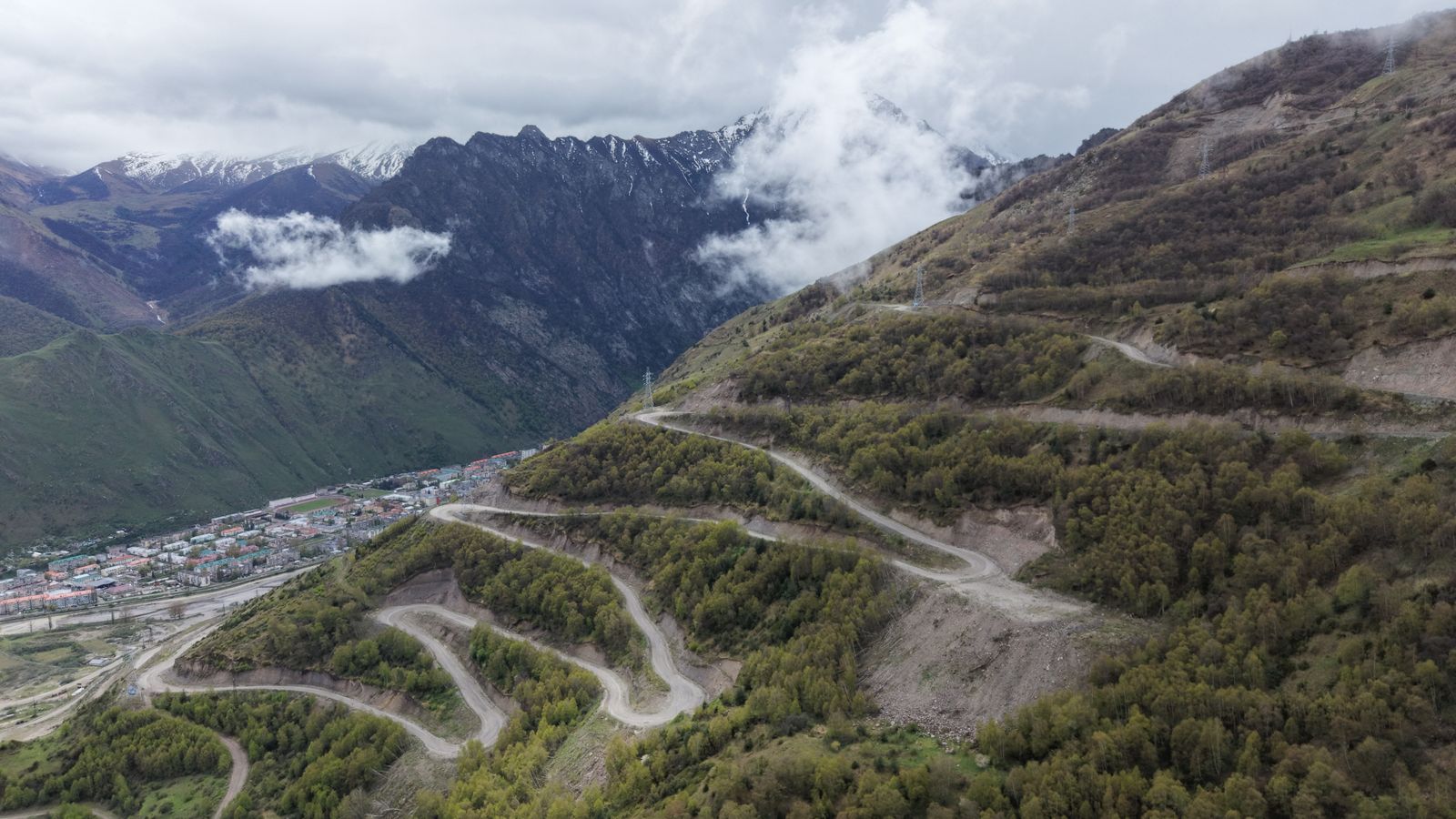
Sequencing multiple stops
Inside one city, routing is about neighbourhoods. Across several cities, it's about order — and the order matters as much as the cities themselves.
Picture a loop of three or four places. There's almost always one sequence that flows and several that fight you. Go in geographic order and each leg moves you forward; go in the order they occurred to you and you cross the same ground twice. The classic mistake is treating a multi-city trip as a list rather than a line — a list has no direction, so you book the trains in whatever order you happened to care about the cities, and the map punishes you for it.
The question for every hop: does this leg move me onward, or back? A clean arc wastes almost nothing; a zigzag spends your days in transit between places you've already been near. And the order that flows one way around a loop rarely flows the other — so settle it before anything's booked.
The backtracking trap
Backtracking is the single most expensive routing error, and it hides in plain sight because each instance feels small.
It usually starts with one reasonable decision made in isolation. You book a dinner near the station on Tuesday and a tour on the far side of town for Wednesday morning — each fine on its own, but together they've got you crossing the city at night and back at dawn. Multiply that across a week and you've built a route that spends its energy undoing itself.
You can't see it while booking one thing at a time. It only shows up when you lay the whole plan against the real distances at once — exactly the view that's hard to hold in your head.
How AI routes the days
Sequencing stops around real travel times means weighing many things at once — where each place is, how long it takes between them, what's open when, how much fits in a day. By hand, you solve it one constraint at a time, which is why it takes an evening and still comes out lopsided.
A good AI travel planner weighs them together. TruintTrip builds the days around real, verified places and the actual travel times between them, groups what's near what, and orders each day so you're moving forward instead of criss-crossing. It paces them too, with room to breathe rather than a crammed map. The route holds together before you've booked a thing.
The best route isn't the one that fits the most in. It's the one you barely notice, because nothing's fighting the map.
It also times the plan against reality: the season, the weather on your exact dates, and what's on all shape the order — whether a stop belongs earlier or later, indoors or out. And because where you sleep decides how much of each day leaks into getting places, hotels are weighed against live prices by area. Over time it learns how you travel through your Travel DNA, so the routing comes back more like you.
One base vs moving around
Not every trip should move. One of the most useful routing decisions is whether to stay put and take day trips, or move your base as you go.
Stay in one base when your stops cluster around a single hub and packing up every two days would cost more time than the travel saves. A fixed base means every morning starts the same place.
Move your base when a single hub would have you commuting for hours. If you'd spend half of each day getting to the far stops and back, it's cheaper to sleep closer and carry the bag. The rule of thumb: move when the daily round trip from one base would cost more than the move itself.
How to route your trip in order
Put it together and the sequence is short:
- List every stop, with no order yet — the list, not the line.
- Group them by area, so a day can belong to one part of the map instead of crossing it twice.
- Decide your bases — one hub or several — before you sequence anything.
- Order the areas so you move forward. For each leg, ask: onward or back? A clean arc, not a zigzag.
- Assign one area per day where you can, and route the stops inside it so the day flows on foot.
- Check it against your dates — weather, season and what's on can shift a stop earlier, later, indoors or out.
- Pick bases by location, then price, near each cluster's centre of gravity.
You can do every step by hand. It works; it just takes an evening and usually hides a backtrack you'll find on the day. The faster route is to hand the sequencing to a planner that weighs it all at once. On TruintTrip you give it a destination — or a saved reel, a Travel World or a Blueprint — and it returns a routed, paced, day-by-day plan with real places, real travel times and live hotel prices already weighed. From there you explore the platform and edit, or manage everything from your trips: stretch a day, swap a stop, shift a base, and the route rebalances. You can export or share the finished plan as a PDF, and it works on iPhone or the web.
Frequently asked questions
What's the difference between a good route and a bad one?
Dead time. A good route groups stops by area and moves you forward, clustering sights by location rather than by fame. A bad route scatters your days across the map and makes you backtrack. On a week-long trip, that can mean a whole day handed back to transit.
How do I avoid backtracking across a city?
Group by area before you assign anything to a day, then order the areas so each leg moves onward rather than back. Backtracking only shows up when you look at the whole plan against real distances at once. On TruintTrip the days are sequenced around real places and actual travel times, so the route holds together before you book.
Should I sequence my cities before I book flights?
Yes. The order of cities matters as much as the cities themselves, and the sequence that flows one way around a loop rarely flows the other. Settle the order while it's still free to change — after the tickets are bought, a zigzag is expensive to undo.
Should I stay in one place or move around?
Stay in one base when your stops cluster around a single hub. Move your base when a single hub would have you commuting for hours. The rule of thumb: move when the daily round trip from one base would cost more time than the move itself.
Can AI really route a trip well?
It's one of the things AI does best: routing is a many-things-at-once problem that people solve one step at a time. A good planner weighs locations, travel times, opening hours and pace together, and times the plan against the weather, season and events on your dates. For visas, entry rules and safety, always confirm with official government sources.
Ready to try it? Half a trip can vanish into transit. How a travel route planner sequences your stops so your days flow — and AI does the routing for you.
Route your trip →

