
You've picked the place. That was supposed to be the hard part. Then you open a map of a city you've never been to, with forty things worth seeing scattered across it, a handful of days to fit them into, and no idea what belongs on which day.
Choosing the destination is the decision everyone celebrates. Turning it into a plan you can actually follow is the work nobody warns you about. A destination is a dot on a map. A trip is a sequence — days that have a shape, an order, and enough slack that you're not sprinting from the first morning. This is how you make that leap.
The gap between a destination and a plan
Knowing you want to go to Lisbon tells you almost nothing about what to do on Tuesday. The place gives you a long list of possibilities; a plan is the far shorter list of what you'll actually do, in the order that makes it work.
Most people get stuck here because the two jobs feel like one. They're not. Picking the destination is about desire. Building the plan is about constraints — how many days you have, how far apart things are, what's open when, how much energy you'll really have by mid-afternoon. The dreaming is done; what's left rewards a bit of structure.
Break the trip into days — and give each one a shape
Start by counting the days you actually have on the ground, not the dates on your flights. The day you land is a half-day. The day you leave is barely a morning. A "five-day trip" is often three and two halves.
Then give each full day a shape instead of a to-do list. A good day has one anchor — the thing you'd be sad to miss — and a couple of smaller things that sit naturally around it. Not a checklist of nine sights. A shape is something you can hold in your head: "the old town in the morning, lunch nearby, the river in the afternoon." That's a day you can live, rather than a schedule you'll abandon by noon.
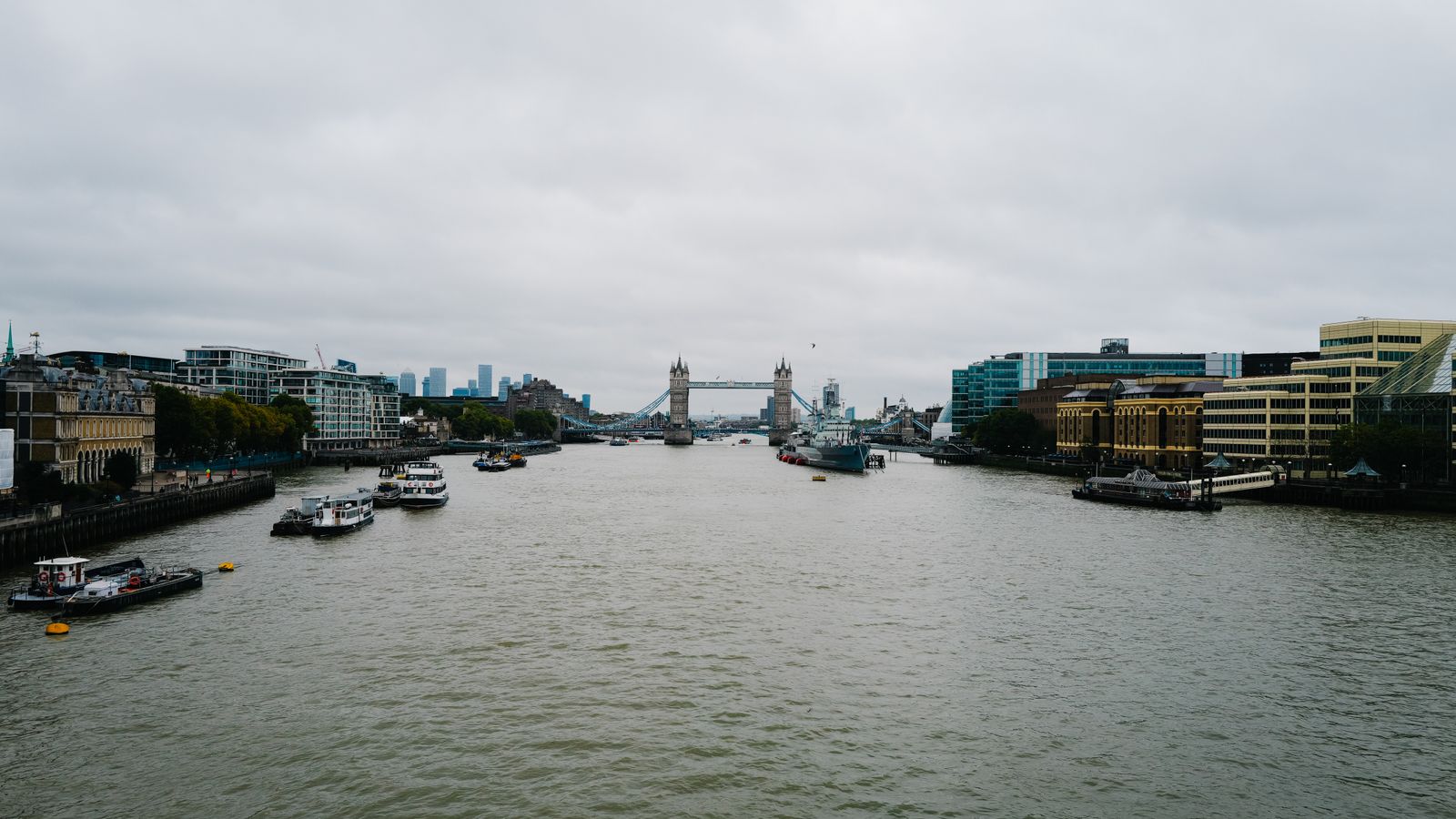
Route the days so you're not criss-crossing
This is where most self-made itineraries quietly fall apart. You slot the famous museum on day one and the famous market on day two, not realising they're next door — and now you're crossing the whole city twice to see things you could have done in one morning.
The fix is to group by area first, then assign areas to days. Cluster the things that are near each other, and let a day belong to a neighbourhood rather than scattering across the map. You'll walk more and transit less, and the gaps between stops become pleasant wandering instead of dead time on a train.
Routing matters most where distances are real — a country road trip, or a city where the sights sit far apart. Get the order wrong and you lose an afternoon to backtracking. This is exactly the kind of sequencing that's tedious by hand and quick to get right with help: TruintTrip orders each day around real places and actual travel times, so the route holds together before you've booked a thing.
Pace it so the trip is a pleasure, not a race
The most common planning mistake isn't a bad choice of sights. It's too many of them. A plan that looks impressive on paper — six stops a day, every day — has you exhausted by day three and resenting the thing you flew in for.
Pace deliberately. Pair a heavy day with a light one. Leave real gaps, because the unplanned hour — the café you stumble into, the street you follow because it looked interesting — is often the part you remember. A plan with no slack can't absorb a late start or a place you love so much you stay an extra hour. Build the breathing room in on purpose, because you won't find it later.
A plan with no room to breathe isn't a tighter trip. It's a more fragile one.
Stay in the right area, not just the right hotel
Where you sleep decides how much of each day you lose to getting places. A lovely hotel an hour from everything on your plan taxes every single day. A plainer one in the middle of where you're actually going gives you time back every morning and night.
So choose the area before the room. Look at where your days are clustered and stay near the centre of gravity. Then weigh the cost — on TruintTrip, where you stay is priced against live hotel rates, so you can see what a better location actually costs rather than guessing, and dial the budget up or down without leaving the plan.
Time the whole thing against the season
A plan is only as good as the dates it's built on. The same destination in the wrong month is a different trip — a beach town out of season, a festival city the week nothing's on, a hike route closed by weather. The sequence can be perfect and still fall flat if the timing's off.
So line the plan up against the calendar. Check what the weather's typically doing on your dates, whether you're arriving in peak crowds or a quiet shoulder season, and what's actually on while you're there — the festival worth building a day around, or the closure worth planning away from. TruintTrip pulls real weather, seasonal patterns and live events for your exact dates, so the plan knows whether day three should be indoors. If you haven't fixed your dates yet, it's worth reading how weather, seasons and events shape the best time to visit before you lock them in.
How to turn a destination into a day-by-day plan
Put it together and the process is short:
- Count your real days. Subtract the travel halves. Know how many full days you're actually planning for.
- List the anchors. The few things you'd be genuinely sorry to miss. Keep it short — these are the spine of the trip.
- Group everything by area. Cluster what's near what, so a day can belong to one part of the map instead of crossing it twice.
- Assign areas to days and route them. One neighbourhood per day where you can, ordered so you're not doubling back.
- Pace each day. One anchor, a couple of smaller things around it, and a real gap left open.
- Fix where you'll stay — by area first. Near your centre of gravity, then weighed against live prices.
- Check it against your dates. Weather, season and what's on, then nudge days around what the timing tells you.
You can do every step of this by hand with a map and a notebook. It works; it just takes an evening. The faster route is to start from the destination and let the first draft do the assembly — then spend your energy on the judgement calls that are actually yours. On TruintTrip you give it a destination (or a saved reel, a Travel World, a Blueprint, a Collection or a timely Signal), and it returns a routed, paced, day-by-day plan with real places, live hotel prices and timing already weighed. From there you edit: stretch a day, swap a stop, shift the pace, and the plan rebalances. Because it learns how you travel through your Travel DNA, each trip comes back a little more like you.
You can explore the platform and build your first full plan for free, on iPhone or the web. Unlimited building sits on a paid plan, with a single-trip option if you just want to unlock one.
Frequently asked questions
How many things should I plan per day?
Fewer than you think. One anchor plus a couple of smaller stops around it is a full, enjoyable day for most people. Six stops a day looks productive and leaves you too tired to enjoy any of them. Pace matters more than volume — a gap left open is a feature, not a wasted hour.
What's the best way to avoid criss-crossing the map?
Group by area before you assign anything to a day. Cluster what's near each other, give each day to one neighbourhood where you can, and order the days so you're not doubling back. On TruintTrip the days are sequenced around real places and actual travel times, so the routing is handled before you book.
Should I pick my hotel or my itinerary first?
Rough out the itinerary first, enough to know which areas your days cluster around — then pick where to stay near that centre of gravity. Choosing a hotel before you know your plan is how you end up an hour from everything. Weigh the area against live prices so a better location's real cost is visible, not a guess.
How do I factor in the season and weather?
Line the plan against your exact dates. Check typical weather, whether you're in peak or shoulder season, and what events are on, then shape the days accordingly. TruintTrip pulls real weather, seasons and live events for your dates. For visas, entry rules and safety, always confirm with official government sources rather than any planning tool.
Can I change the plan after it's built?
Yes — that's the point of starting from a draft. Change the length, adjust the pace, swap a stop or dial the budget, and the plan rebalances. The first draft does the slow assembly; your edits make it yours.
Ready to try it? You know where you want to go — now what? How to turn a dream destination into a routed, paced, day-by-day travel plan you can actually follow.
Build your day-by-day plan →

