
Lisbon looks easy on a map and humbles you on foot. It's a small capital you can see in a few days — but it's stacked on seven hills, and the difference between a magical trip and an exhausting one is almost entirely about the order you do things in. Here's how to read the city before you arrive.
What makes Lisbon different
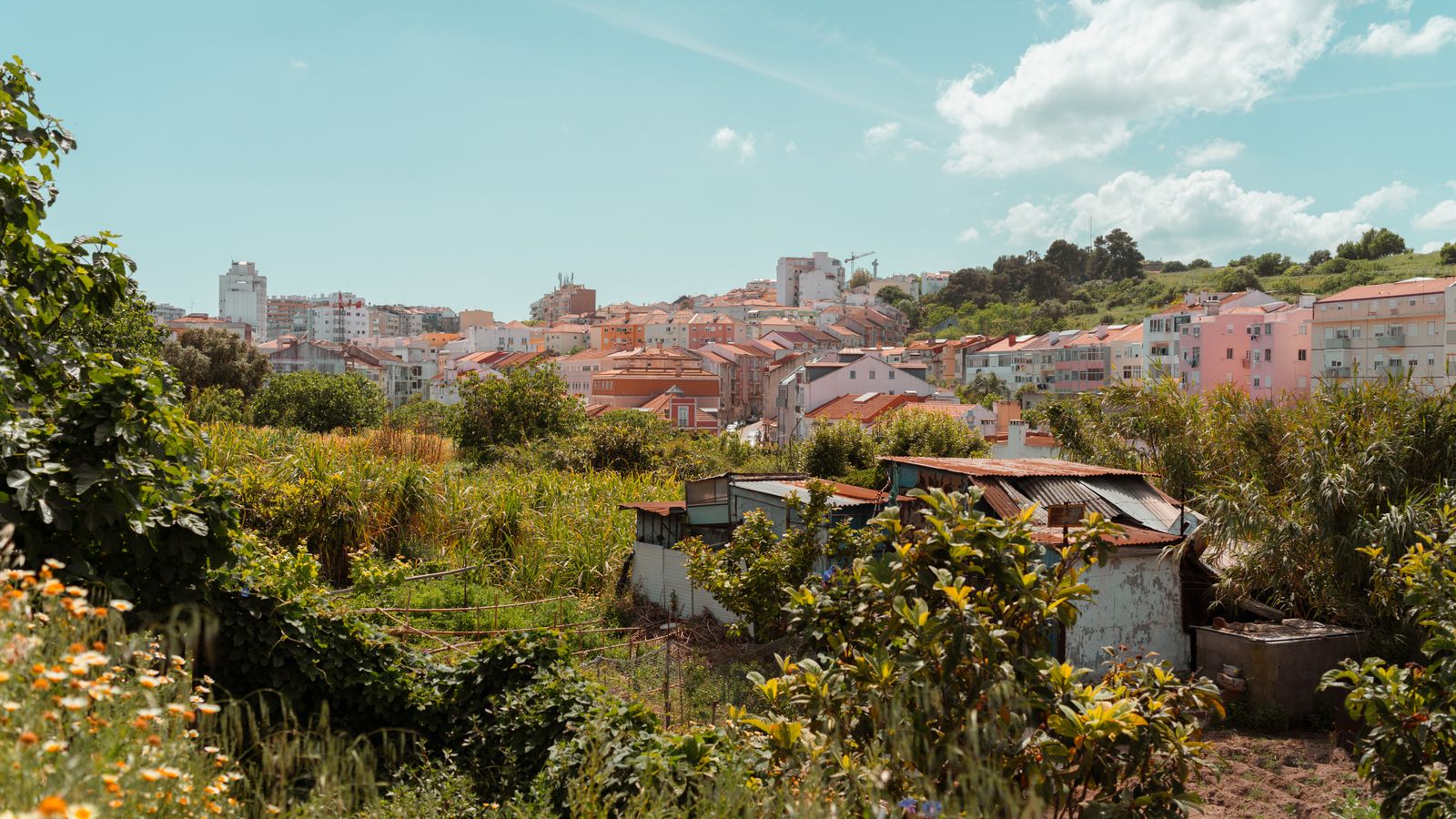
Most European capitals reward a checklist. Lisbon rewards wandering — then a coffee, then a view. The light here is the thing everyone mentions and no one oversells: low, golden, bouncing off the river and the tiled façades. The pleasure is in the drift between sights, not the sights alone. Plan for that, and you'll love it. Plan it like a sprint between monuments and the hills will win.

Pick your Lisbon first
Before you book a hotel, pick the version of the city you're there for. A few of its personalities:
- Old soul — Alfama: the oldest quarter, a maze of lanes under the castle, laundry overhead, fado drifting out of doorways. Stay here for atmosphere, not convenience.
- Elegant and central — Baixa and Chiado: grand squares, the grid rebuilt after the 1755 earthquake, bookshops, cafés and theatres. The easiest base for a first trip.
- Nights out — Bairro Alto and Príncipe Real: quiet by day, loud and social after dark, with the city's best bar-hopping.
- River and monuments — Belém: a short ride west for the great age-of-discovery landmarks, the river air, and the custard tart that started it all.
You don't have to pick only one — but leading with a district gives the trip a centre of gravity instead of a scattered map.
In Lisbon, the walk between two places is often better than either of them.
The experiences worth building a trip around
A strong first trip hangs on five or six anchors, not a long list. The ones most travellers are glad they kept:
- A miradouro at golden hour — the city's viewpoints are its living rooms. Pick one, arrive before sunset, and watch the rooftops turn to copper.
- Alfama on foot, then a fado night — wander the old quarter by day, then hear Portugal's aching national music the way it's meant to be heard, in a small room over dinner.
- Belém and a warm pastel de nata — the monastery and tower, the river, and a custard tart eaten warm where the recipe is kept secret.
- Tram 28, early — the famous rattling route through the old hills. Ride it before the crowds, or treat the journey itself as the sight.
- A day trip to Sintra — palaces and misty forest an hour away; many travellers' favourite day of the trip.
When to go
Lisbon is a year-round city, but the season shapes the trip:
- Spring (March–May) — mild, bright and green, before the summer crowds. One of the best windows.
- Summer (June–August) — warm and lively, with festivals in June, but busier and hotter; book ahead.
- Autumn (September–October) — long golden light, warm sea, thinner crowds. A quiet favourite.
- Winter — cool and often clear, the lowest prices, and the city to yourself — pack for rain just in case.
Whatever month you choose, the weather and what's on will shape your days — so it's worth checking both against your exact dates before you lock anything in.

A sample first-timer route
You don't need a rigid plan — Lisbon punishes over-scheduling — but a loose shape keeps the hills working for you. Here's a rhythm that fits most first trips of three to four days.
- Day 1 — Baixa, Chiado and your first viewpoint. Start central and flat: the grand squares and rebuilt grid of Baixa, then up into Chiado for its cafés, bookshops and old shopfronts. End the afternoon at a nearby miradouro and let the light do the work — a gentle first day that settles you in before the climbs begin.
- Day 2 — Alfama by day, fado by night. Give the morning to the oldest quarter: the lanes under the castle, the washing overhead, the views that appear without warning. Rest in the afternoon, because the evening is the point — a fado night in a small room, over a long dinner. One quarter, done slowly, beats three rushed.
- Day 3 — Belém and the river. Head west for a half-day among the age-of-discovery landmarks and the river air, with a warm pastel de nata somewhere in the middle. Belém is more spread out than it looks on a map, so treat it as its own outing rather than squeezing it between other things. Keep the evening loose for Bairro Alto or a last viewpoint.
- Day 4 — a day trip to Sintra. Save a full day for the palaces and misty forest an hour out of the city; it's many travellers' favourite day of the trip, and a half-day never does it justice. Take the train out early and come back in the evening. If you only have three days, swap this in for Day 3 and fold Belém into another afternoon.
Getting around
Lisbon is walkable in the sense that everything is close — and demanding in the sense that close is rarely flat. The best way to see it is on foot, but read the terrain: plan your walking so you're heading downhill where you can, and treat the city's public transport as the lift that carries you back up.
The metro is clean, cheap and the quickest way to cover distance and reach the airport. For the hills, the historic trams, funiculars and the big public lift exist precisely because walking up isn't always realistic — use them as tools, not just photo opportunities. The famous Tram 28 is both: a genuine way through the old quarters and a sight in its own right, best ridden early before it fills. Taxis and ride-hail apps are widely used and a sensible call at night or when the climb home is one hill too many.
From the airport, the centre is a short hop — the metro connects directly, and taxis or ride-hail are easy if you're arriving late or weighed down with bags. The two day-trip staples run by train: regular services out to Sintra, and Belém a short ride west along the river. Check current routes, passes and fares from the official transport sources close to your dates, since lines and ticketing change.
Common first-timer mistakes
None of these are disasters — but each one quietly costs a first-timer a good afternoon. They're the patterns experienced Lisbon travellers learn to avoid.
- The wrong shoes — the streets are cobbled, worn smooth and often steep. Pretty, flat-soled shoes turn a day of wandering into a day of watching your feet. Bring grip.
- Walking uphill everywhere — climbing every hill on foot burns the energy you came to spend on the city. Let the funiculars, lifts and trams carry you up, and save your legs for the downhill drift.
- Giving Sintra half a day — it has more than one palace and a lot of hill between them, and the crowds build as the day goes on. A morning means queues and rushing; give it a full day.
- Eating only in the big squares — the most touristy squares are lovely to sit in and rarely where the best food is. A few streets back, the same money goes further and tastes better.
- Underestimating Belém — it looks like a quick stop and spreads out further than you expect. Treat it as its own half-day, or you'll feel rushed through the best of it.
Frequently asked questions
How many days do I need for a first trip to Lisbon?
Three to four days is the sweet spot for a first visit — enough to feel the main districts, keep an easy pace, and still give Sintra a full day. If you only have a long weekend, drop one anchor rather than rushing all of them. Lisbon rewards depth over breadth.
When is the best time to go?
Spring and autumn are the easiest windows — mild light, thinner crowds, kinder temperatures. See the "When to go" section above for how each season changes the trip, and check the forecast against your exact dates before you book.
Is Lisbon expensive? What should I budget?
Lisbon is often framed as good value by Western European standards, though popular areas and peak season push prices up. You can travel comfortably mid-range, lean budget with a little planning, or spend freely at the higher end — the city stretches to fit. Costs move with the season, so check live prices for flights, stays and experiences close to your dates rather than trusting any fixed figure.
Is Lisbon walkable, or do I need transport?
It's very walkable — but the seven hills mean how you walk matters more than how far. Expect steep, cobbled climbs, plan to go downhill where you can, and lean on the metro, trams and funiculars for the ups. Comfortable shoes do more for your trip here than almost anything else.
Anything I should know about safety and local etiquette?
Lisbon is generally an easy, relaxed city for visitors; as in any capital, keep an eye on your belongings in crowded tourist spots and on busy trams. A little Portuguese goes a long way, and fado houses expect quiet attention while the singing is on. For anything official — visas, entry rules and current safety guidance — always defer to your government's travel advice rather than a guide like this one.
How to build your Lisbon trip in minutes
This is exactly the kind of trip TruintTrip is built for. Start from the destination — Lisbon — or from a themed Travel World ("Lisbon for a long weekend", "Lisbon and Sintra"), and it assembles a day-by-day plan around real places: sequenced so you're walking downhill more than up, timed against the weather and what's on during your dates, with areas to stay, live hotel prices, and the experiences you can book.
Because it reads your Travel DNA, the fado-and-food traveller and the viewpoint-and-day-trips traveller get genuinely different Lisbons from the same starting point. Adjust the pace, add a day for Sintra, raise or lower the budget, and the plan rebalances around you.
A note on this guide
This is a researched guide, written to help you plan — not a substitute for checking the details. Opening times, transport, closures and ticketing change often, so confirm them from official sources before you go. And for entry requirements, visas and safety, always defer to your government's official travel advice; TruintTrip's country intelligence is a planning aid, not a replacement for it.
Ready to try it? First time in Lisbon? How to choose your neighbourhoods, the experiences worth building a trip around, when to go, and how to plan it in minutes.
Build your Lisbon trip →Keep reading

Tokyo for First-Timers: How to Turn the World's Biggest City into a Trip That Fits You

Kyoto for First-Timers: How to See a Thousand Temples Without Seeing None of Them
