
It's the part of a trip no one daydreams about and everyone feels: getting from one place to the next. Work it out well and a city opens up; get it wrong and you spend your days tired, late and a little lost. Here's how to figure out how to get around almost any city, so moving around costs you as little time and stress as possible.
The hidden time-tax of getting around badly
Every trip has a transport budget, whether you plan one or not. Default to the wrong mode — taxis everywhere in a city built for its metro, or walking distances that were always going to need a train — and you quietly lose an hour here and there, all trip long. You don't notice it as one big loss; you notice it as a vague sense of always rushing and never quite having enough day.
The fix isn't to optimise every journey. It's to understand a city's shape once, pick sensible defaults, and stop re-deciding on every corner.
The main ways to get around
Most cities offer the same menu, with different strengths. Knowing the trade-offs lets you mix them well:
- Walking. Free, flexible, and the best way to actually see a place — ideal where things are dense and close. The limit is distance and time.
- Metro and rail. Usually the fastest way to cross a bigger city, unaffected by traffic. Great for distance; less good for the last few minutes to a door.
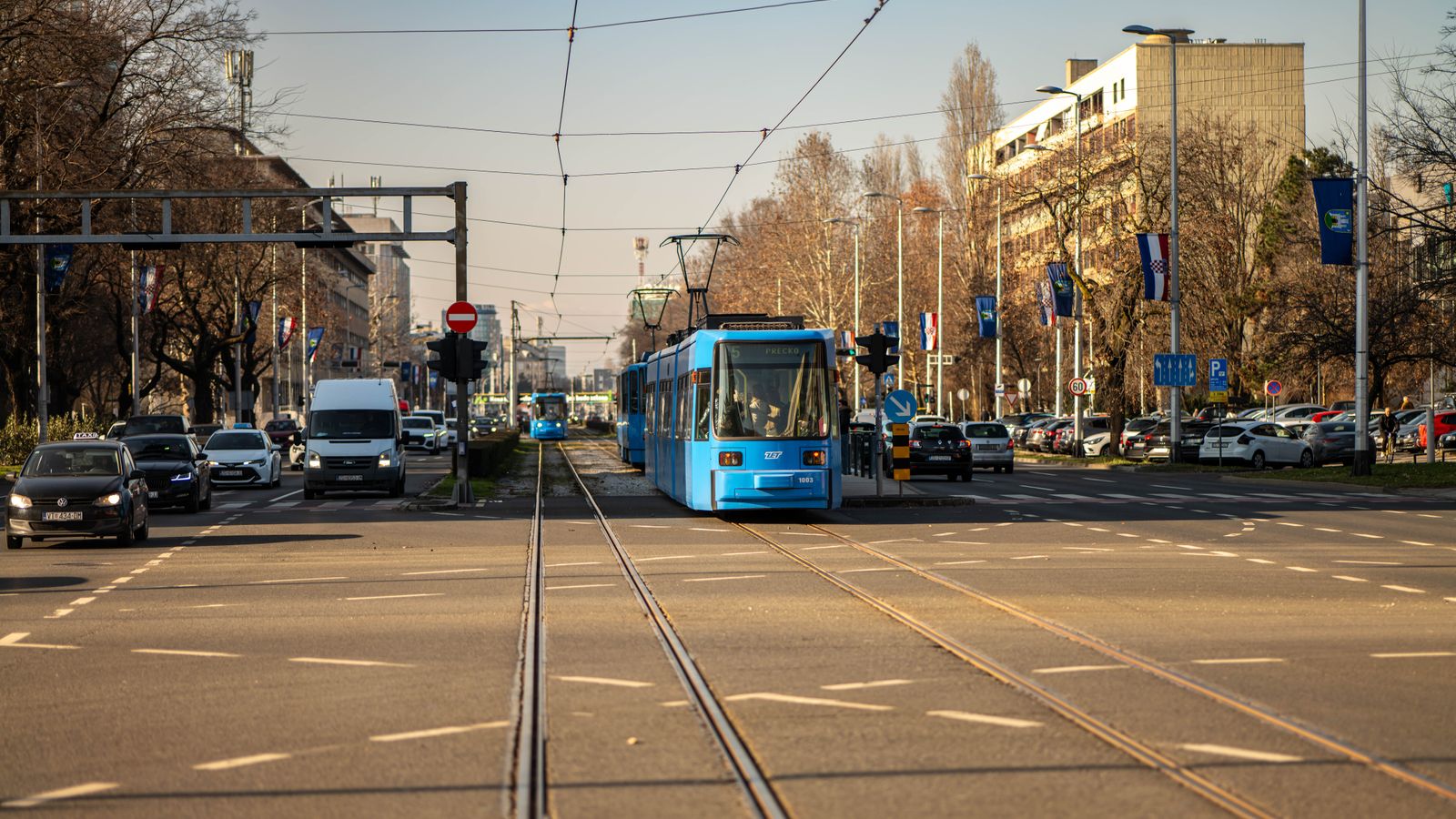
- Buses and trams. Slower than rail but more scenic and far-reaching, often filling the gaps the rail network leaves.
- Taxis and ride-hail. The "buy back time" option — worth it when you're tired, carrying bags, running late, or travelling at night. Availability and local rules vary, so check how it works where you are.
- Driving. Freedom for regions and road trips; often a liability in dense city centres, where parking and traffic undo the convenience.
- Bikes and scooters. Quick and fun for medium hops in the right city, if you're confident and the infrastructure supports it.
Airport to city: the first and last impression
The transfer between the airport and the city is the leg most worth sorting in advance, because you'll do it tired, possibly late, and often without a local SIM yet. Know your options before you land — the train or transit link, the official taxi process, or a pre-arranged transfer — and you skip the classic arrival mistakes: the overpriced ride from the wrong queue, or a long wait for a connection you didn't know you needed. The same goes in reverse: build enough buffer into the trip back so a slow transfer doesn't cost you a flight.
How to pick the right mix for a city
A few quick reads tell you most of what you need. A compact, dense centre rewards walking with transit for the longer hops. A large, spread-out city usually runs on its metro or rail, with taxis for the awkward last stretch. Somewhere with weak public transport may lean on ride-hail or a car. And your own trip matters too — travelling with kids, lots of luggage, or late at night tilts the balance toward door-to-door options, while a slow, see-everything trip tilts it toward walking.
The goal isn't the cheapest way around. It's the one that buys back the most of your day.
How good routing ties it together
The smartest way to cut transport time isn't a better ticket — it's a better plan. If your days are grouped by area and sequenced sensibly, you simply travel less: you're not crossing the city twice because two sights that looked close were planned back to back.
That's where TruintTrip helps. It routes your days around real travel times and keeps each day's stops near each other, so the plan itself does most of the work of "getting around" before you ever buy a ticket. Pair that with a base in the right area, and the daily transport problem mostly solves itself.
The getting-around mistakes that cost you time
A handful of avoidable habits eat more of a trip than any single wrong turn:
- Defaulting to taxis in a transit city. In a place built around its metro, door-to-door rides are often slower in traffic and far pricier — the train usually wins.
- Underestimating distances. A map makes a city look small; two sights that seem "close" can be a long, hot walk apart. Check the real travel time, not the visual gap.
- Not sorting the airport leg. Arriving tired with no plan is how you end up in the overpriced queue. Decide the transfer before you land.
- Skipping the payment setup. Getting stuck at a barrier with no pass, no app and no cash wastes time and patience. Sort how you'll pay before your first ride.
- Over-moving the plan itself. The biggest time-saver isn't a faster mode — it's not needing it, because your days were grouped so you cross the city less.
Fix those and you reclaim a surprising amount of the day.
How to work out getting around a new city, step by step
- Read the city's shape. Is it compact and walkable, or big and transit-run? That sets your default.
- Sort the airport transfer first. Decide how you'll get in and out before you travel.
- Pick a primary mode and a backup. Usually walking plus transit, with taxis or ride-hail for the awkward moments.
- Check how payment works. Transit passes, contactless, or local apps — know before you go so you're not stuck at a barrier.
- Let the plan cut the travel. Group your days by area so you're moving less in the first place.
Frequently asked questions
Should I rely on walking or public transport?
In most cities, both — walk where things are dense and close, and use transit to cross distance quickly. The mix beats committing to one, and it's usually faster and cheaper than defaulting to taxis everywhere.
Is renting a car worth it for a city trip?
Often not, inside a big city — traffic and parking tend to undo the convenience, and good transit is faster. A car earns its place for regions, road trips and spread-out areas with weak public transport, not dense city centres.
Are ride-hail apps available everywhere?
Availability and local rules vary a lot from place to place, so check how it works at your destination before you rely on it. Where it exists, it's a good "buy back time" option for late nights, luggage or awkward connections.
What's the best way to get from the airport to the city?
It depends on the city, but sort it before you land. Know the train or transit link, the official taxi process, or a pre-booked transfer, so you avoid the tired-arrival traps — and leave a buffer for the trip back so a slow transfer never threatens a flight.
Is a transit pass worth buying?
Often, if you'll use public transport more than a few times a day — a pass usually works out cheaper and saves you buying tickets each trip. Check what your destination offers against how much you'll actually ride before committing.
Ready to try it? Rail, metro, driving or transfers? How to work out how to get around any city so you move smart, lose less time, and spend it on the trip instead.
Plan a trip that moves smart →

