
Kyoto can defeat you with abundance. Over a thousand temples and shrines, a dozen famous gardens, whole districts that look like film sets — and a first trip that tries to see it all ends up seeing none of it properly. The city rewards the opposite instinct: choose a few places, arrive early, and give them the time they ask for.
Why Kyoto overwhelms first-timers
The problem isn't finding things to do — it's that every guide hands you forty must-sees scattered across a sprawling city, and chasing them means long transit and short, crowded visits. The travellers who love Kyoto do less, earlier. A single golden hour at the right shrine, with room to breathe, beats five rushed ones in a day.
Pick your Kyoto first
Group the trip by district and the city shrinks to something human. The main ones:
- Higashiyama — the eastern hills: old wooden lanes, the great hillside temples, and the best preserved approach streets. The classic first-day Kyoto.
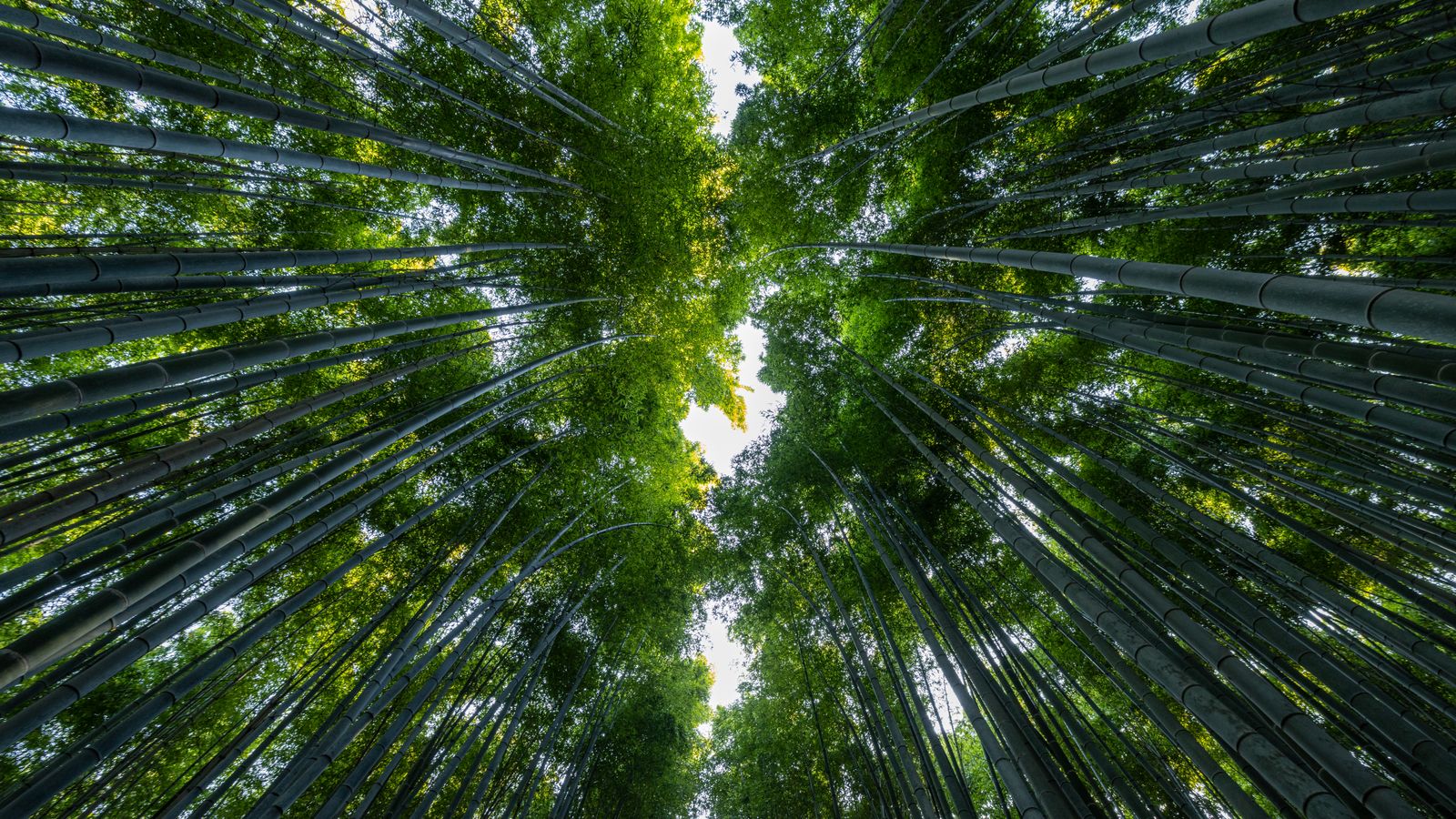
- Arashiyama — to the west: the bamboo grove, a river and mountains, temples with borrowed-landscape gardens. Half a day, ideally early.
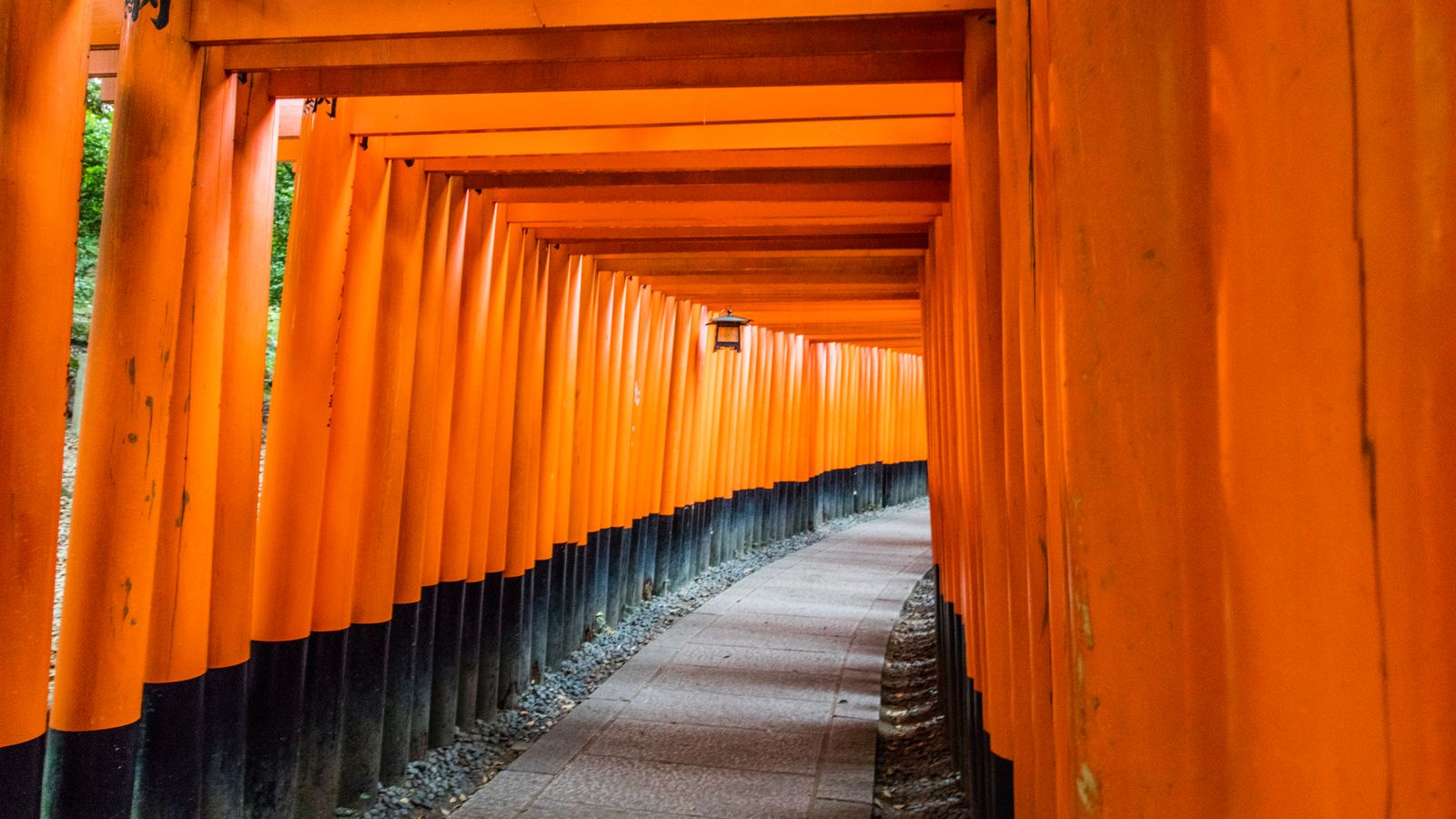
- Fushimi — south: the endless torii gates of Fushimi Inari, climbing a whole mountainside.
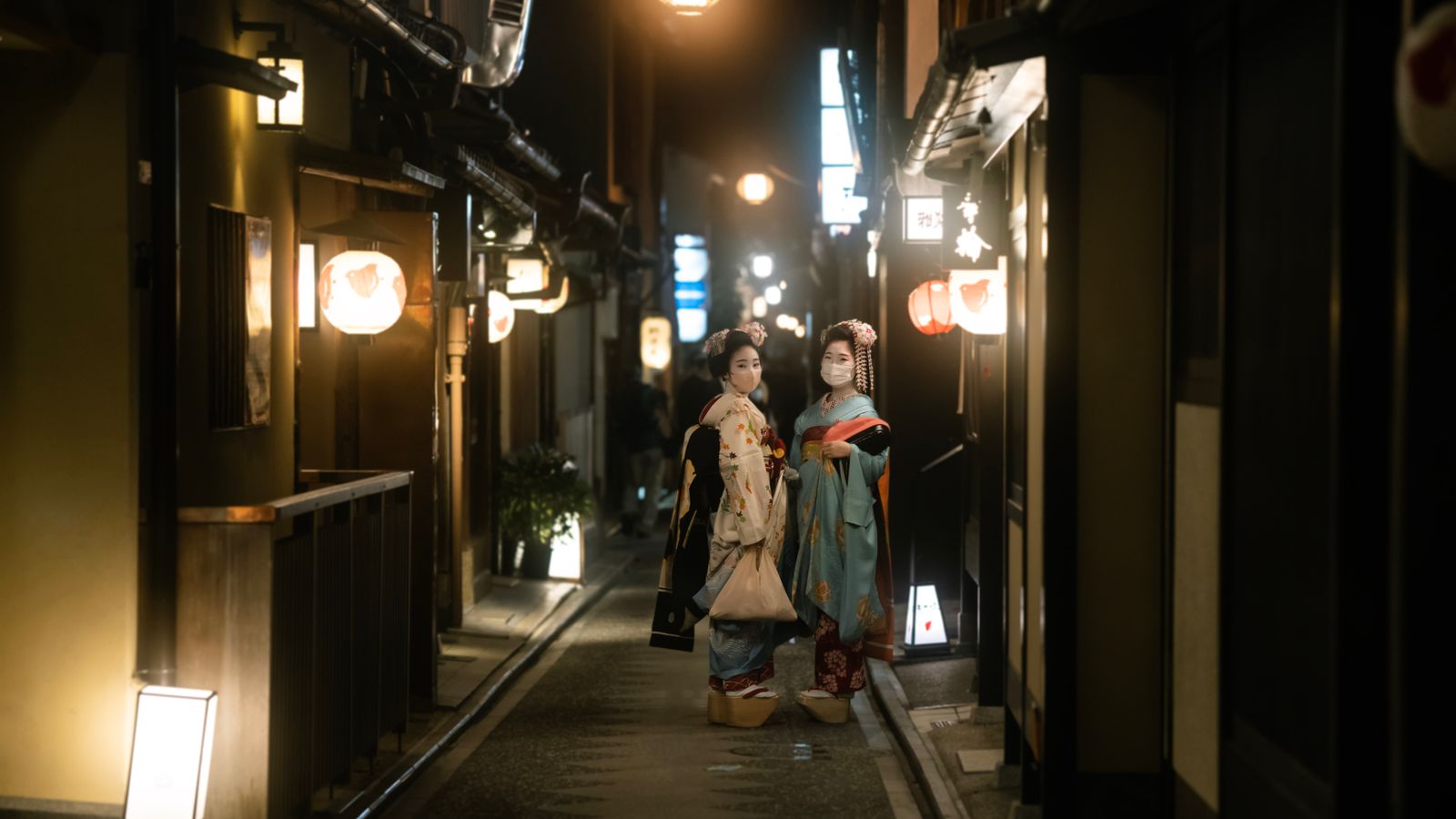
- Gion and the centre — the geisha district, the river, covered market streets and the city's best dinners.
Lead with one district per day and you'll walk between sights instead of commuting between them.
See a thousand temples and you remember none. See three, slowly, and you remember Kyoto.
The experiences worth building a trip around
A first trip usually hangs on five or six anchors. The ones most travellers keep:
- Fushimi Inari at dawn — the famous tunnels of gates, walked before the crowds, in the quiet they were built for.
- Higashiyama's old streets — the lanes up to Kiyomizu-dera early, then the preserved slopes and teahouses below.
- The Arashiyama bamboo grove, first thing — the light through the stalks is the point; go at opening or skip the photos.
- An evening in Gion — the lantern-lit lanes, a glimpse of the old entertainment district, and one proper kaiseki or izakaya dinner.
- A tea house or a garden with time to sit — Kyoto's gardens are made for stillness, not a lap and a photo.
When to go
Few cities change as much by season as Kyoto:
- Spring (late March–early April) — cherry blossom along the canals and temple grounds. Breathtaking, and the busiest window of the year; book months ahead.
- Autumn (mid-November) — the maples turn and the temples glow red and gold. Many travellers' favourite Kyoto, and nearly as busy as spring.
- Summer (June–August) — hot and humid, with a rainy stretch, but green and quieter between the peaks.
- Winter — crisp and calm, occasional snow dusting the temples, the lowest crowds and prices.
Whatever month you choose, the weather and what's on — festivals, illuminations, blossom and leaf forecasts — will shape your days, so check them against your exact dates before you commit.
A sample first-timer route
Three or four days is enough to fall for Kyoto if you build the trip around districts instead of a checklist. Here's a loose shape — not a timetable. Treat the timings as rhythm, not rules, and confirm access and hours for anything specific before you go.
- Day one — Fushimi and the south. Start at dawn at Fushimi Inari, walking up into the gates before the crowds arrive; the early quiet is the whole reason to come. Drift back toward the centre for the afternoon, and keep the evening gentle — you'll have been up early, and you'll want to be again tomorrow.
- Day two — Higashiyama on foot. Give the eastern hills a full morning: up to Kiyomizu-dera first, then down through the preserved slopes and lanes while the light is still soft. Spend the afternoon slowly, with a garden or teahouse somewhere in it. In the evening, cross into Gion as the lanterns come on and sit down to one proper dinner.
- Day three — Arashiyama in the west. Go early for the bamboo grove — it's a short walk that a mid-morning crowd empties of its magic — then let the morning open out into the riverside and a garden or two. The afternoon is a good place to leave loose, for whatever you didn't get to.
- Day four — a day trip, or more Kyoto. If you have a fourth day, Nara is an easy outing for its great park, deer and temples, and the change of pace does a first trip good. Prefer to stay put? Spend it back in Higashiyama at the parts you rushed — almost always a better memory than one more box ticked.
Getting around
Kyoto is flat, compact by big-city standards, and best covered on your own feet once you're inside a district — the walk between sights is often the part you remember. The job of transit is getting you between districts, not around them.
Trains and the subway are fast and predictable and will carry you to the edges of most areas; city buses reach corners the rails don't, but they're slower and get crowded at peak times, so lean on the trains when you have the choice. Either way, the real trick is time of day. An early start doesn't just beat the crowds at the temples — it beats them on the way there, while an easy morning turns into a long, hot wait by mid-morning.
Most first-timers arrive via the Kansai airport or through Osaka, both well connected to Kyoto by rail in roughly an hour or less; check current routes and times for your own arrival point. Once you've landed, resist the urge to see something "on the way" — settle in first, and start properly at dawn the next day.
Common first-timer mistakes
None of these are exotic. They're the ordinary ways a good Kyoto trip quietly goes wrong — and all of them are easy to avoid once you've named them.
- Cramming too many temples. After the fourth or fifth in a day they blur, and you stop seeing any of them. Pick a handful and give each one room; temple fatigue is real and it's self-inflicted.
- Arriving mid-morning. The famous sites are transformed at dawn and overrun by late morning. The difference between a magical Fushimi Inari and a shuffling queue is about two hours of sleep.
- Not booking where it's needed. Some temples, experiences and the best dinners require reserving ahead — occasionally well ahead in the spring and autumn peaks. Check in advance rather than assuming you can walk up.
- Treating the geisha district as a photo op. Gion is a working neighbourhood, and geiko and maiko are at work, not on display. Keep your distance, follow posted rules about where photography isn't welcome, and don't chase or crowd anyone.
- Underestimating the distances. Districts that look close on a map can be a real journey apart. Plan one area per day so you're walking between sights, not commuting across the city twice.
- Over-planning the clock. Kyoto rewards stillness — a garden you sit in, a lane you wander. A minute-by-minute schedule leaves no room for the thing you'll actually remember.
Frequently asked questions
How many days do I need for a first trip to Kyoto?
Three to four full days is the sweet spot for a first visit. That's enough to give the main districts — Higashiyama, Arashiyama, Fushimi and the centre — a day each without racing, and to fit in a day trip. Fewer than three and you'll be rushing the very places that reward slowing down.
Should I do Tokyo or Kyoto — or both?
They're different trips, not rivals: Tokyo is scale and energy, Kyoto is the older, quieter Japan of temples and gardens. Many first-timers combine them, and the two sit close on the main rail line, so adding one to the other is straightforward. If you only have time for one, choose by what you're travelling for rather than by fear of missing out.
When's the best time to go?
Spring (blossom) and autumn (colour) are the spectacular, crowded peaks; summer is hot and greener, winter calm and quiet. There's more detail in the "When to go" section above — and whatever you pick, check the forecast and what's on against your exact dates.
Is Kyoto expensive?
It can be, but it doesn't have to be. Spring and autumn push accommodation prices up and the quieter seasons bring them down, and you can eat and travel across a wide range. Treat any figure you read as a starting point and check live prices for your own dates before you budget.
How do I stay respectful at temples and in the geisha district?
At temples, keep your voice down, follow signs about photography and removing shoes, and remember these are places of worship as much as sights. In Gion, give geiko and maiko space, don't block the lanes or chase a photo, and treat it as someone's working neighbourhood. For anything official — visas, entry and safety — always defer to your government's travel advice.
How to build your Kyoto trip in minutes
This is exactly the kind of trip TruintTrip is built for. Start from the destination — Kyoto — or from a themed Travel World ("Kyoto in autumn", "Old Kyoto on foot"), and it assembles a day-by-day plan around real places: grouped by district so you're not criss-crossing the city, timed against the season and what's on during your dates, with areas to stay, live hotel prices, and the experiences you can book.
Because it reads your Travel DNA, the temples-and-gardens traveller and the food-and-streets traveller get genuinely different Kyotos from the same starting point. Adjust the pace, add a day trip to Nara, raise or lower the budget, and the plan rebalances around you.
A note on this guide
This is a researched guide, written to help you plan — not a substitute for checking the details. Opening times, access, closures, reservations and ticketing for specific temples change often and some require booking ahead, so confirm them from official sources before you go. And for entry requirements, visas and safety, always defer to your government's official travel advice; TruintTrip's country intelligence is a planning aid, not a replacement for it.
Ready to try it? First time in Kyoto? How to choose among the temples, the experiences worth your time, when to go for cherry blossom or autumn colour, and how to plan it fast.
Build your Kyoto trip →

